A supplier invoice is due Friday. Payroll is next week. A customer payment will not clear for another 30 days. In situations like these, business credit line reviews can help you look past a lender’s headline offer and determine whether the funding will actually work for your cash flow.
A business line of credit can be a practical source of working capital, especially when expenses and revenue do not arrive on the same schedule. But not all lines work the same way. Limits, draw fees, repayment schedules, credit requirements, and access to funds can vary significantly. The right choice depends on what your business needs the capital to do and how reliably you can repay each draw.
What Business Credit Line Reviews Should Tell You
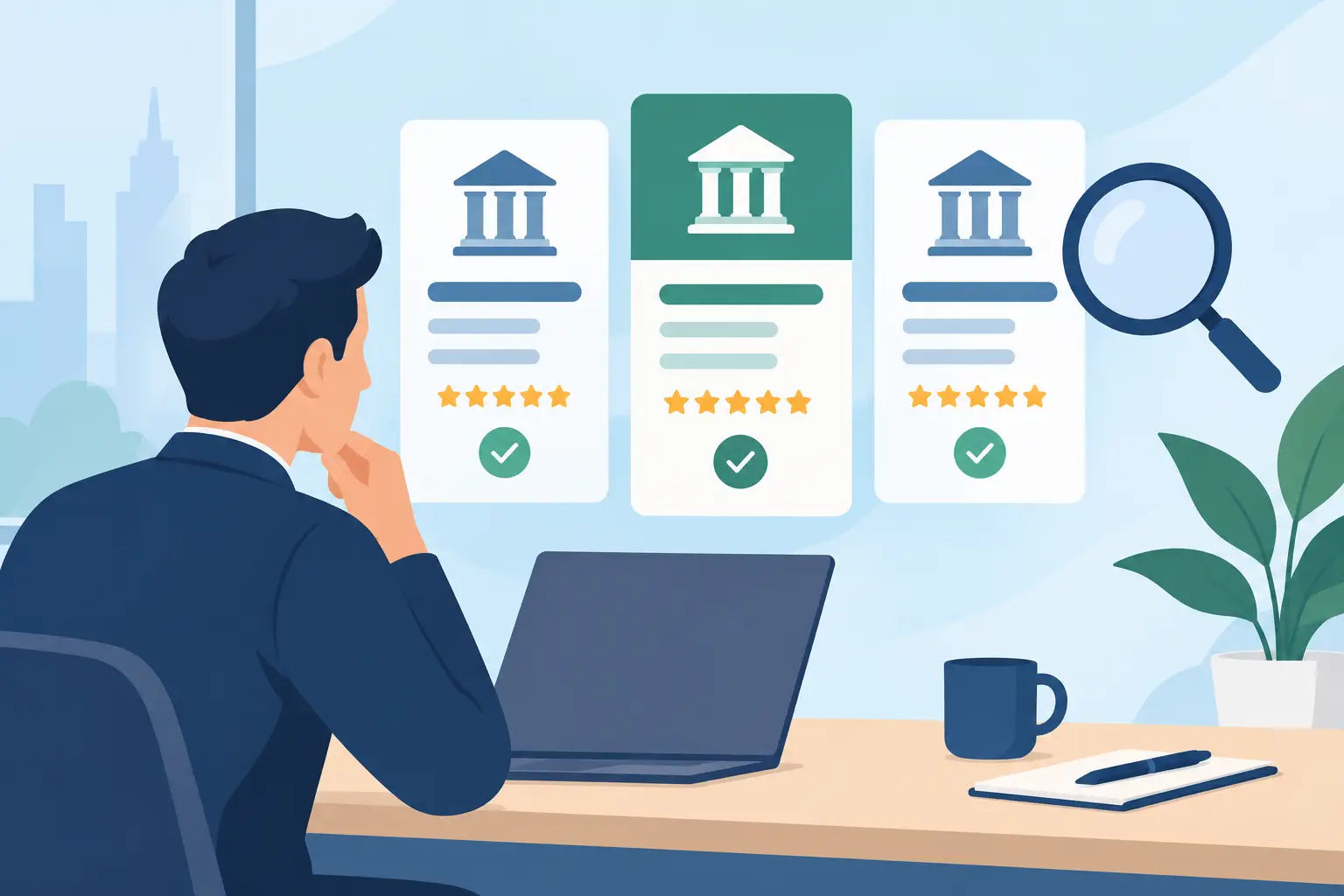
Reviews can be useful, but they are only one piece of the decision. Start by separating comments about customer service from details about the actual financing. A fast application process is helpful, but it does not make an expensive or restrictive line a good fit.
Look for repeated comments about whether the lender delivers the approved amount, how quickly draws are funded, and whether repayment terms were clear before signing. Pay attention when multiple borrowers mention surprise fees, changing payment schedules, difficult renewals, or a lower limit than they expected. One unhappy review may reflect a unique situation. A consistent pattern deserves a closer look.
Also remember that online reviews rarely tell the full underwriting story. A business with strong revenue, several years in operation, and excellent credit may receive a very different offer than a newer company with a 600 credit score. Use reviews to identify questions to ask, then compare the actual terms presented to your business.
Make Sure a Line of Credit Fits the Need
A business line of credit is revolving financing. You are approved for a maximum limit, draw funds when you need them, and pay interest or financing charges on the amount you use. As you repay the balance, the available credit may become available again, depending on the agreement.
That structure can make sense for recurring, short-term operating needs: buying inventory before a busy season, covering a delayed receivable, handling a repair, or smoothing payroll during a temporary gap. If you do not need cash immediately, you may still benefit from having approved capital ready for a time-sensitive expense.
It may be a poor fit for a major, one-time purchase that will take years to produce a return. For example, a truck, commercial kitchen upgrade, or large equipment purchase may be better matched to equipment financing or a term loan with a defined payoff period. Using a short-repayment line for a long-term investment can put unnecessary pressure on weekly cash flow.
Ask How You Can Access the Funds
Some lines allow you to request draws as needed through an account portal or transfer. Others have minimum draw amounts, draw limits, or a review process every time you access capital. Those details matter when you need to move quickly.
Find out whether your line is secured or unsecured, whether a personal guarantee is required, and whether the lender files a UCC lien. None of these features automatically makes an offer bad. They simply affect your risk, your assets, and your ability to seek other financing later.
Compare the Full Cost, Not Just the Rate
The rate listed at the top of an offer is not the whole cost. Business credit line reviews often mention the payment experience, but you still need to read the pricing disclosures and calculate what a typical draw would cost your company.
Traditional bank lines may use an annual percentage rate based on a benchmark plus a margin. Online lenders may use a fixed fee, factor-style pricing, or a weekly payment structure. A lower stated rate can still come with draw fees, maintenance fees, origination fees, or early termination charges. On the other hand, a higher-priced option may be worthwhile if it gives an established business fast access to capital during an urgent cash-flow gap.
Ask the lender to explain the total dollar cost using a realistic example. If you draw $25,000 for 90 days, what will you repay? When are payments due? Is there a fee every time you draw? Can you save money by repaying early, or is the total charge fixed?
The payment frequency deserves as much attention as the cost. Daily or weekly payments can work for businesses with steady card sales or regular deposits, such as restaurants and local service companies. They can be harder to manage for contractors, wholesalers, and project-based businesses that receive larger but less frequent payments.
Evaluate the Limit, Draw Period, and Renewal Rules
An approved limit only helps if it is enough to solve the problem. Estimate your highest likely short-term gap instead of choosing a number that simply sounds attractive. If payroll and inventory needs could overlap, a $10,000 line may not offer much protection even if it is easy to qualify for.
Next, confirm how long the line remains open and how long you have to repay each draw. Some products have a draw period followed by a repayment period. Others renew annually and may require the lender to review revenue, bank activity, debt, and credit again. A lender can also reduce or decline to renew a line if your financial profile changes.
This is especially relevant for seasonal businesses. If you rely on a line every year to stock up before your busy season, ask whether the lender has renewal conditions that could interrupt access at the worst possible time.
Know What Credit and Revenue Mean for Approval
A strong personal credit score can expand your options, but it is not the only factor. Many alternative lenders consider business revenue, time in business, cash flow, existing obligations, and the purpose of the funds. This can create more opportunities for owners who have been turned down by a traditional bank because of a past credit issue.
Still, financing for challenged credit often costs more. That trade-off can be reasonable when the capital protects a profitable contract, avoids a costly shutdown, or supports inventory with a dependable sales cycle. It is less reasonable when the funds are being used to cover an ongoing loss without a plan to improve margins or collections.
Gather recent business bank statements, basic revenue information, identification, and details on current business debt before applying. Accurate information helps lenders evaluate your file and helps you avoid applying for a product that does not match your profile. Business owners with at least one year in operation and a 550+ credit score may have more options than they assume, particularly through a lending marketplace with multiple partners.
Red Flags to Watch for in Credit Line Offers
A clear offer should explain how much you can access, what it costs, and when you must repay. Slow down if you see any of these warning signs:
- The lender will not provide a written breakdown of fees, payment amounts, or total repayment.
- The advertised credit line is large, but the usable amount is unclear or subject to unexplained conditions.
- The provider pressures you to sign before you have reviewed the agreement or compared alternatives.
- The payment schedule does not match the way your business collects revenue.
- The lender’s reviews repeatedly describe unexpected withdrawals, poor communication, or trouble obtaining account information.
You should also be cautious about using one line of credit to make payments on another without a clear path to reducing debt. Rotating balances can provide temporary relief, but it can become expensive quickly if revenue does not improve.
Compare Offers Based on Your Operating Reality
The best business credit line is not automatically the one with the largest limit or the fastest approval. It is the one that gives you enough access, a manageable payment structure, transparent costs, and terms that fit how your company earns money.
If your credit history has made bank financing difficult, do not assume you have to accept the first offer. Bad Credit Business Loans can help eligible owners compare options from a network of 75+ lending partners, with financing matched to revenue, time in business, credit profile, and capital purpose. A pre-approval can give you a clearer view of what may be available before you commit.
Use reviews to narrow the field, use the written offer to confirm the facts, and choose funding that keeps your business moving without creating a new cash-flow problem. The right line of credit should give you room to operate with more confidence when timing matters most.