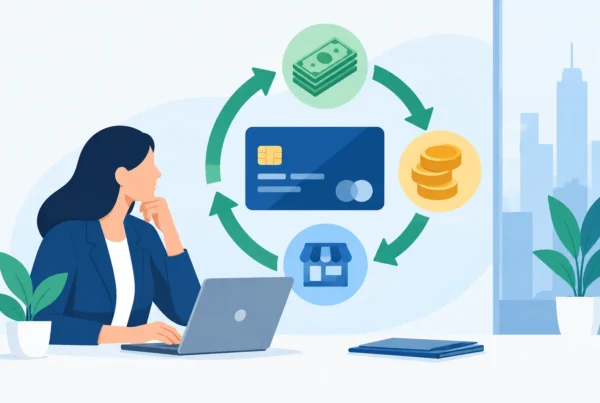
A supplier asks for payment up front. A delivery vehicle needs repairs before the busy season. Inventory is selling, but the cash from those sales will not arrive for another 30 days. These are the moments when business credit can keep an otherwise healthy company moving instead of forcing the owner to delay an opportunity.
Business credit is not a shortcut around every lending decision, and it does not replace revenue or responsible cash management. It is, however, a financial record and borrowing foundation that can give your company more options over time. For owners with fair or challenged personal credit, building that foundation can be especially valuable.
What Business Credit Really Means
Business credit is your company’s record of handling financial obligations. Lenders, suppliers, equipment providers, and other vendors may use that record when deciding whether to extend terms, approve financing, set a credit limit, or determine pricing.
A business credit profile is separate from your personal credit profile, although they can overlap. Many small-business lenders still review the owner’s personal credit, especially for newer businesses or loans that require a personal guarantee. But as your company establishes its own payment history, revenue record, and business identity, it may have more ways to show that it can responsibly handle capital.
That distinction matters. A strong business credit file can support access to vendor terms, trade credit, equipment financing, business lines of credit, and other funding structures. It may also help reduce the pressure to put every operating expense on a personal card.
Business credit is built through consistency, not one large transaction. Paying approved accounts on time, keeping company information accurate, and taking on only payments the business can truly support are the habits that count.
Why Business Credit Matters When Cash Flow Is Tight
Cash flow problems are not always profit problems. A contractor may need materials before receiving a client draw. A retailer may need to order seasonal inventory months before it sells. A trucking company may have invoices outstanding while facing fuel, payroll, and repair costs this week.
The right credit arrangement can help bridge those timing gaps. Vendor terms can preserve cash for payroll or urgent expenses. A business line of credit can provide a reusable source of working capital. Equipment financing can spread the cost of a revenue-producing machine or vehicle instead of requiring one large cash payment.
Still, access to credit should match the purpose. Using a short-term, higher-cost product to fund a long-term renovation can strain cash flow. Financing an asset that will generate revenue for years may be more logical than using expensive short-term capital. The goal is not simply to get approved. It is to secure financing with a payment structure your operation can carry.
How to Build Business Credit Step by Step
Start by making sure your company is set up as a real, verifiable business. Lenders and vendors need to confirm who they are dealing with, where the business operates, and how long it has been active. Use your legal business name consistently across registrations, tax documents, bank accounts, invoices, licensing, and financing applications.
Next, separate business activity from personal activity wherever possible. Open a dedicated business bank account and run business income and expenses through it. This creates a cleaner operating record and makes it easier to document revenue when you apply for capital.
Then, establish accounts that may report payment activity. Not every supplier or service provider reports to business credit bureaus, so ask before assuming an account will help build your file. If a vendor offers net terms, such as payment due in 30 days, use the account carefully and pay on or before the due date.
As you build, focus on four practical habits:
- Pay every business obligation on time, including vendor terms, credit cards, loans, and leases.
- Keep balances manageable instead of using every available dollar of a credit limit.
- Review your business information for errors, outdated addresses, or duplicate company listings.
- Keep records of revenue, bank activity, invoices, tax returns, and existing debt payments.
A business credit score is only one part of the picture. Lenders may also review time in business, average monthly revenue, industry, current obligations, collateral, and the reason you need funds. A company with imperfect credit but stable deposits and a clear capital purpose can look very different from a company with no revenue plan and several missed payments.
Which Financing Options Can Support Your Business
The best funding option depends on what the money needs to do. A financing product should solve an operating problem without creating a larger one later.
Business Lines of Credit
A business line of credit is often useful for recurring working-capital needs. You can generally draw funds as needed up to an approved limit and pay interest or fees on the amount used, depending on the lender’s terms. It can be a practical fit for payroll timing, supply purchases, smaller repairs, or temporary gaps between expenses and customer payments.
A line of credit is not ideal for every major purchase. If you use it for a large, long-lived asset and only make minimum payments, the balance can remain expensive. Use it with a repayment plan tied to your actual cash flow.
Term Loans and Revenue-Based Financing
A term loan provides a lump sum that is repaid on a set schedule. It may fit planned expenses such as renovations, expansion, debt consolidation in some cases, or a defined inventory purchase. The payment should be evaluated against normal and slower revenue months, not just your best month.
Revenue-based financing may be considered by businesses that have consistent sales but do not fit a traditional bank’s credit requirements. Repayment is often connected to sales activity or a fixed repayment structure. It can offer speed and flexibility, but owners should understand the total payback, payment frequency, and how the obligation will affect daily cash flow.
Equipment and Asset-Based Financing
If the business needs a truck, machine, kitchen equipment, technology, or other productive asset, equipment financing may be a better fit than using general working capital. The equipment itself can often support the financing structure, which may help preserve cash for other operating needs.
Asset-based financing can also make sense for companies with eligible assets, such as receivables, inventory, or equipment. This approach is not right for every business, but it can be useful when an established operation has valuable assets and needs capital tied to them.
What Lenders Look for Beyond a Score
A low personal credit score can narrow options, but it does not automatically end the conversation. Alternative lenders often evaluate the complete business picture rather than relying on a single score alone. That can include your time in business, bank deposits, customer demand, outstanding invoices, existing payment obligations, and the intended use of funds.
Be direct about the need. Saying you need money is less helpful than explaining that you need $40,000 to buy inventory with a known resale cycle, replace a vehicle used for daily jobs, or complete a renovation expected to increase capacity. A specific request helps identify whether the payment structure and amount make sense.
You should also be ready to review the full offer, not just the approved amount. Look at the total repayment, payment frequency, collateral requirements, personal guarantee, prepayment terms, and what happens if revenue slows. Fast funding is valuable when an opportunity cannot wait, but speed should not prevent you from understanding the obligation.
Build Credit While You Fund Growth
You do not need to wait for perfect business credit before pursuing capital. Many owners need financing now to buy inventory, cover seasonal demand, repair equipment, or keep payroll steady. The practical move is to pursue options that fit your current profile while improving the financial habits that can strengthen future offers.
If your business has been operating for at least one year and you have a 550+ credit score, Bad Credit Business Loans can help match your situation with financing options from a network of 75+ lending partners. A broader lender network can be useful when a traditional bank is not the right fit for your credit profile, revenue, assets, or funding purpose.
Keep the next step simple: document what the capital will accomplish, calculate a payment your business can handle in a slower month, and seek an instant pre-approval when you are ready to compare viable options. Good credit or bad credit, a clear plan and responsible repayment history give your business more room to move forward.