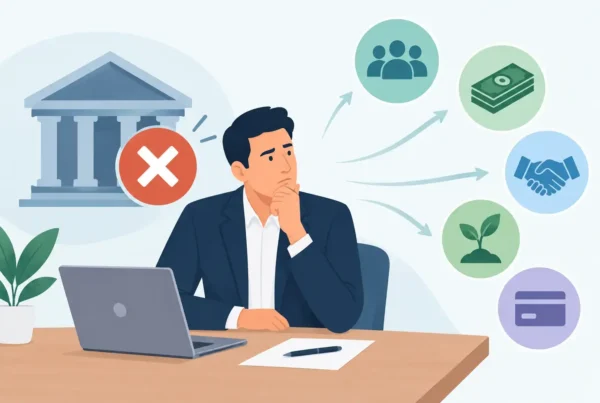
A broken delivery van, an aging HVAC unit, or a machine that cannot keep up with new orders can put a profitable business on hold. The equipment purchase versus financing decision is not just about the sticker price. It determines how much cash stays available for payroll, inventory, repairs, and the next opportunity that cannot wait.
For many small-business owners, paying cash feels safer because it avoids debt. That can be the right move when the purchase will not strain operations. But tying up a large share of your working capital in one asset can create a new problem: your business owns the equipment but lacks the flexibility to use it effectively.
Equipment Purchase Versus Financing: Start With Cash Flow
Buying equipment outright means your business pays the full cost up front and owns the asset immediately. There are no monthly financing payments or lender requirements after the transaction closes. If you have excess cash, the equipment has a long useful life, and the purchase will not disrupt your operating reserves, cash purchase can be a clean, sensible option.
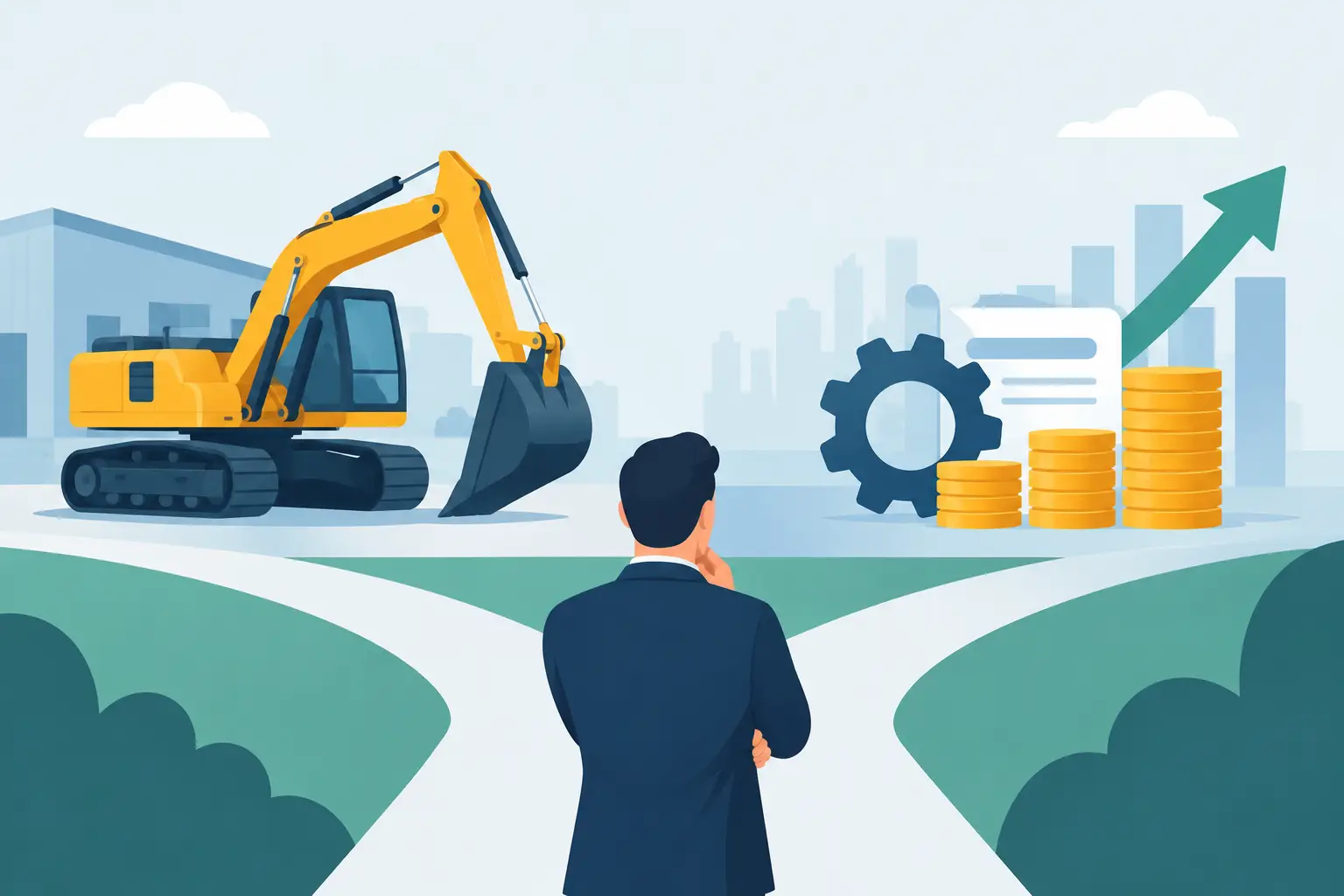
The trade-off is liquidity. A contractor may have enough cash to buy a $75,000 excavator, for example, but that same cash may be needed to cover labor while waiting on customer payments. A restaurant may be able to pay cash for a new commercial refrigerator, then have little room left for food inventory, a repair, or a slow month.
Financing lets you acquire the equipment while spreading the cost over time. Instead of making one large payment, you make scheduled payments that may be easier to align with the revenue the equipment produces. That can preserve cash for the expenses that keep your business moving every day.
The right question is not simply, “Can I afford to pay cash?” Ask, “What happens to my business if I do?” If the answer includes a thin cash cushion, delayed inventory purchases, or difficulty handling a surprise expense, financing deserves a serious look.
When Buying Equipment Outright Makes Sense
A cash purchase can work well when the asset is affordable relative to your available reserves. The key word is available. Money set aside for taxes, payroll, rent, upcoming inventory, or emergency repairs is not truly available for an equipment purchase.
Paying cash is often a stronger fit when equipment is lower-cost, dependable, and likely to remain useful for years. A local service company buying basic tools or a point-of-sale system may reasonably choose to pay outright if the cost is modest and the business still retains a healthy operating cushion.
It can also make sense when financing costs would be unusually high due to the equipment type, term length, or applicant profile. Business owners with challenged credit sometimes assume financing is automatically out of reach. That is not always the case, especially when the equipment has value and the business has revenue. Still, comparing the total financing cost against the benefit of keeping cash on hand is essential.
Ownership also gives you more control. You can sell the asset, modify it, or use it as collateral later, subject to any existing obligations. However, ownership means you carry the risk if the equipment becomes obsolete, loses value quickly, or needs costly repairs.
When Equipment Financing Is the Better Tool
Equipment financing is designed for assets that help generate business revenue. That can include work trucks, trailers, construction machinery, medical devices, kitchen equipment, manufacturing tools, computers, and specialized technology.
The equipment itself often supports the transaction because it serves as collateral. This can make equipment financing more accessible than an unsecured loan for some business owners, including those who do not meet a bank’s strict credit standards. Approval decisions can also consider time in business, revenue, the asset being purchased, and the strength of the overall application.
Financing may be the better option when the equipment will begin earning or saving money right away. A landscaping company that finances an additional mower may take on more jobs. A transportation company that adds a vehicle may expand capacity. A dental office that upgrades equipment may offer a new service. In each case, the goal is for the asset to help support its own payment.
It is also useful when your business needs to act quickly. Waiting six months to save enough cash for essential equipment can mean turning away work, falling behind competitors, or continuing to spend money repairing an unreliable asset. The cost of waiting is part of the decision, even though it does not appear on a quote.
Compare the Full Cost, Not Just the Payment
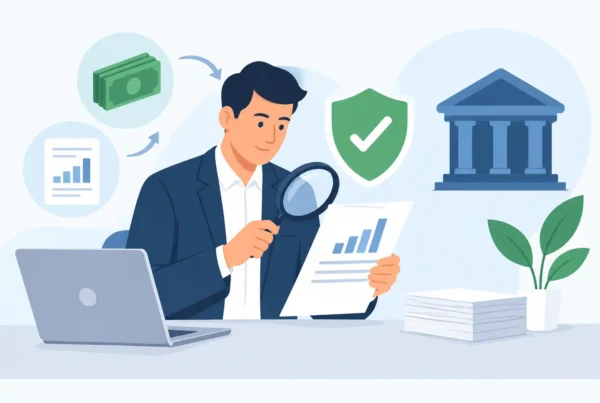
A low monthly payment can be attractive, but it is not the whole story. Compare the purchase price, down payment, repayment term, interest or factor-based cost where applicable, fees, and any end-of-term requirements. Ask whether there is a prepayment policy and whether the financing structure gives you ownership at the end.
Then compare those costs with the cost of using cash. If paying cash leaves your business short on inventory during a busy season, the lost sales may cost more than financing. If you finance a piece of equipment that will sit unused for months, monthly payments can become a burden without a matching return.
Useful life matters too. Financing a machine for longer than it remains reliable or commercially useful can create a bad mismatch. On the other hand, using a very short repayment term for expensive equipment can put unnecessary pressure on monthly cash flow. Aim to match the financing term to the period when the equipment will actively support your business.
Before committing, run a simple monthly test. Estimate the new revenue the equipment can produce, or the costs it can eliminate. Subtract the payment, insurance, fuel, maintenance, labor, and other operating costs. If the remaining margin is too slim, reconsider the purchase, negotiate the price, increase the down payment, or choose a different structure.
Your Credit Profile Matters, But It Is Not the Whole Story
Strong credit may help you access more options and lower costs. But business owners with fair or poor credit should not assume they have only one path: pay cash or go without. Many alternative business financing providers look beyond a single credit score when evaluating an equipment request.
Lenders may review your time in business, monthly revenue, recent bank activity, existing obligations, and the value of the equipment. A well-documented purchase with a clear business purpose can strengthen your request. Be ready to explain how the asset will help your company produce revenue, reduce downtime, or complete more work.
If your credit needs improvement, financing a necessary revenue-producing asset may still be more practical than draining operating cash. The important part is choosing a payment your business can support under normal conditions, not only during your best month.
Business owners with at least one year in operation and a 550+ credit score may have financing options worth reviewing. Through a broad lender network, Bad Credit Business Loans can help match qualified applicants with equipment financing and other business funding solutions based on their revenue, credit profile, and capital needs.
Questions to Ask Before You Decide
Get clear answers before signing an agreement. Will you own the equipment at the end of the term? What is the total amount you will repay? Is a down payment required? Can you pay early, and does that reduce the overall cost? What happens if the equipment needs replacement before the term ends?
Also consider whether the asset is truly the best use of capital. Sometimes a used model, a shorter-term rental, or a different piece of equipment better fits the work you have booked right now. The best decision is not always the biggest purchase. It is the one that supports reliable operations without putting the business in a cash-flow squeeze.
Equipment should create capacity, reduce costly downtime, or improve the way you serve customers. Choose the structure that lets it do that while keeping enough cash in the business to handle what comes next. If financing preserves the flexibility you need to keep winning work, an instant pre-approval can give you a clear starting point before the opportunity passes.