A truck sitting in the shop, a piece of machinery holding up production, or unpaid invoices slowing payroll can create an immediate cash problem. Asset financing gives business owners a way to turn business value into working capital without relying only on a high personal credit score or a conventional bank approval.
For many small businesses, the question is not whether they have something valuable. It is whether that value can help them get the funding needed to keep moving. The answer often depends on the type of asset, its condition, your business revenue, and how long you have been operating.
What Is Asset Financing?
Asset financing is business funding secured by assets your company owns or is purchasing. Depending on the financing structure, the asset may serve as collateral, or the lender may advance funds based on its expected value.
That asset could be equipment, commercial vehicles, machinery, inventory, accounts receivable, technology, or real estate. The lender looks at the asset alongside your company’s cash flow, time in business, and credit profile to decide whether the deal makes sense.
This approach can be useful when a traditional bank loan is difficult to qualify for. A bank may place heavy weight on strong credit, long operating history, and extensive financial documentation. Asset-based options may put more emphasis on what your business owns, earns, or is acquiring.
That does not mean credit never matters. It does. But it may be one part of the approval decision instead of the entire decision.
How Asset Financing Works
The process starts with identifying the asset and its business purpose. If you are buying a delivery van, for example, the lender may review the vehicle’s purchase price, age, condition, and resale value. If you are borrowing against existing equipment, the lender may request an appraisal or documentation showing ownership and condition.
The lender then determines how much it is willing to finance. You may receive enough to cover most of a new asset purchase, while financing against an existing asset may provide a percentage of its verified value. The percentage varies because lenders need to account for depreciation, resale demand, and the cost of recovering the asset if payments stop.
Once approved, you make scheduled payments according to the agreement. With equipment or vehicle financing, the lender commonly keeps a security interest in the item until the balance is paid. With receivables financing, repayment may be tied to customer invoice collections.
The structure matters. A lower monthly payment can preserve cash flow, but a longer term may increase total financing cost. Fast funding can solve an urgent problem, but you should still understand the payment amount, total repayment, collateral requirements, and any early payoff terms before accepting an offer.
Common assets used for business funding
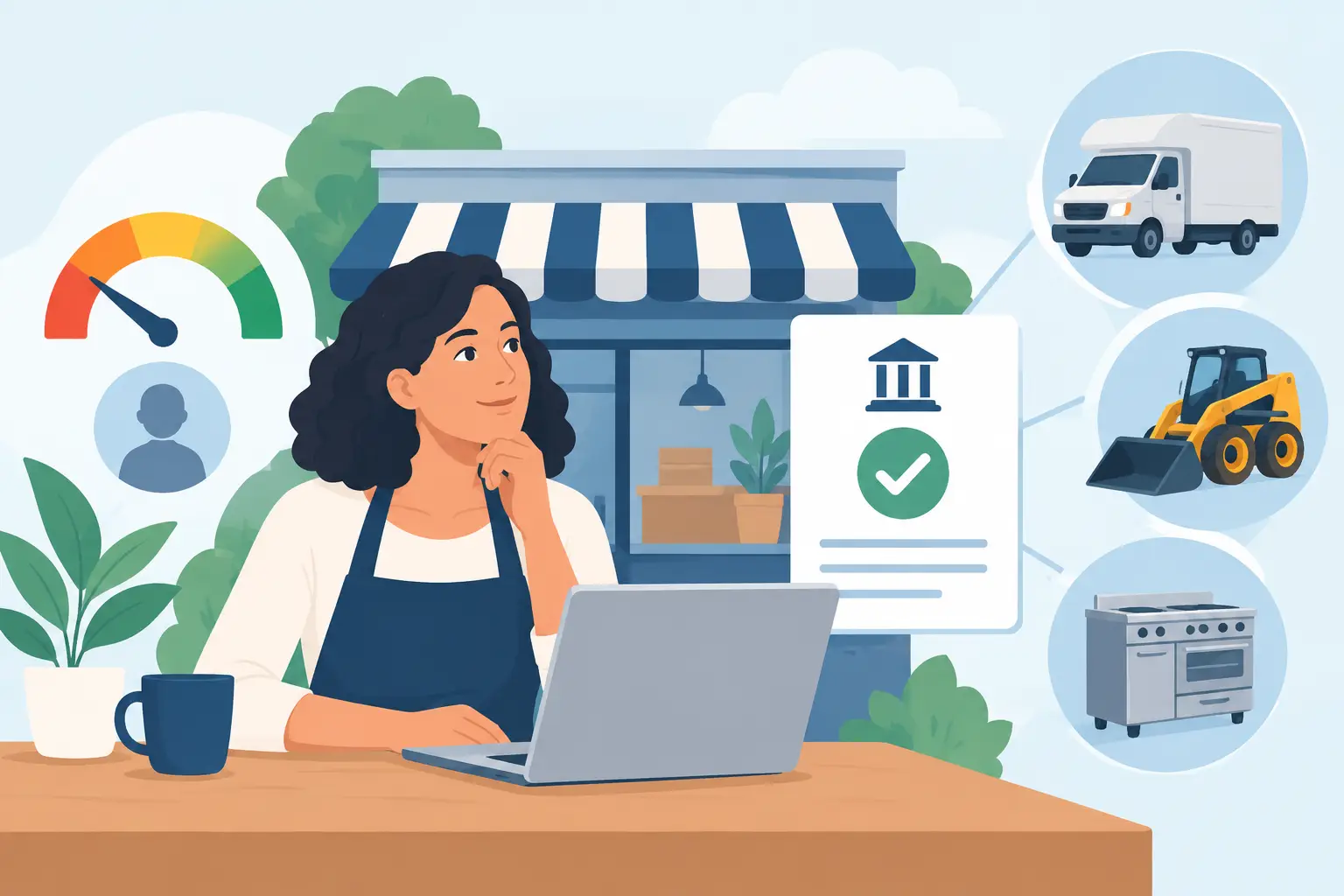
Equipment is one of the most common assets because it has a clear business function and measurable value. Contractors may finance excavators, skid steers, generators, and tools. Restaurants may finance ovens, refrigeration units, or point-of-sale systems. Medical, manufacturing, and professional service businesses may use specialized technology or machinery.
Commercial vehicles are another frequent fit. A transportation company may need a truck to take on a new route. A plumber may need service vans. A landscaping company may need trailers and work vehicles before the busy season begins.
Inventory, accounts receivable, and existing machinery can also support financing in the right situation. Each has different risks. Inventory can lose value or become outdated, while invoices are only as dependable as the customers responsible for paying them. That is why lenders review more than the asset alone.
When Asset Financing Makes Sense
Asset financing is often a practical choice when the funds will help the business produce revenue or operate more efficiently. Buying a machine that increases output, replacing a failing vehicle that limits service calls, or adding inventory for confirmed demand can create a clear connection between the funding and the return.
It can also make sense when you want to avoid draining cash reserves. Paying cash for a $60,000 work truck may leave a business short on payroll, marketing, repairs, or inventory. Financing may allow you to spread out the cost while keeping more cash available for day-to-day operations.
For owners with challenged credit, this option can be especially helpful if the business has established revenue and a useful asset. A recent credit issue does not automatically erase the value of a well-maintained piece of equipment or a revenue-producing vehicle.
Still, asset financing is not automatically the right choice for every capital need. If you need funds for general payroll, rent, or a short-term gap with no specific asset involved, a business line of credit, revenue-based financing, or term loan may be a better fit. The right product should match both the purpose of the money and how your business receives revenue.
Asset Financing vs. Equipment Financing
These terms are sometimes used interchangeably, but equipment financing is usually a specific type of asset financing. Equipment financing is generally used to purchase or refinance business equipment, with that equipment serving as collateral.
Asset-based financing is broader. It may include equipment, vehicles, inventory, receivables, or other business assets. Some structures are designed to help you acquire an asset. Others allow you to use an asset you already own to obtain capital.
The distinction is useful because it affects the documents you may need and the offers available. If you know you need a specific machine, equipment financing may be straightforward. If your business owns multiple valuable assets and needs flexible working capital, an asset-based structure may offer more options.
What Lenders May Review
Lenders want to see that both the asset and the business can support repayment. Requirements vary by lender and financing type, but be prepared to provide basic details about your company, the asset, and your revenue.
For a purchase, you may need an equipment quote, invoice, vehicle listing, or purchase agreement. For an existing asset, the lender may ask for proof of ownership, photos, serial numbers, maintenance records, or an appraisal. Business bank statements are also commonly reviewed to understand deposits and operating cash flow.
Your personal and business credit can affect rates, terms, and down payment requirements. Strong credit may create more choices. Fair or poor credit may narrow the field, but it does not always end the conversation. A lender may be more comfortable when the asset has strong resale value, the business has steady deposits, and the financing purpose is clearly tied to revenue.
Avoid overstating an asset’s condition or value. Accurate information helps lenders assess the request faster and reduces surprises after pre-approval.
How to Improve Your Chances of Approval
Start with a financing request that is specific. Instead of asking for a broad amount of capital, explain what you are financing, what it costs, and how it will help the business. “We need $45,000 for a replacement box truck so we can resume two existing delivery contracts” is easier to evaluate than “We need money for growth.”
Gather recent bank statements, your business formation details, and any documents related to the asset before you apply. If you are purchasing equipment or a vehicle, request a clean, itemized quote from the seller. If you are using an existing asset, organize records that demonstrate ownership and condition.
It also helps to be realistic about payment capacity. A revenue-producing asset should support the payment without putting pressure on payroll or core operating expenses. If the projected payment only works during your busiest month, consider a smaller request, more money down, or a different financing structure.
Working with a marketplace such as Bad Credit Business Loans can help you compare options from a broad lender network rather than relying on a single credit-focused lender. Business owners with a 550+ credit score and at least one year in business may have financing paths worth reviewing, depending on revenue, assets, and the requested use of funds.
Questions to Ask Before You Accept an Offer
Before signing, ask whether the rate is fixed or variable, how often payments are due, and what the total repayment will be. Weekly or daily payments can work for businesses with frequent deposits, but they may be difficult for companies with seasonal or irregular revenue.
Confirm whether a down payment is required and whether the lender has a lien on only the financed asset or additional business assets as well. You should also understand what happens if the equipment breaks down, loses value, or is no longer needed before the financing term ends.
Read the payoff terms carefully. Some agreements allow early payoff savings, while others include fixed costs that do not change much if you pay early. Clear answers now can prevent an expensive surprise later.
The best financing option is the one that keeps your business productive without creating a payment it cannot comfortably carry. If a vehicle, machine, inventory purchase, or receivable base can help generate the next stage of growth, secure an instant pre-approval and review the numbers with the same care you bring to every major business decision.