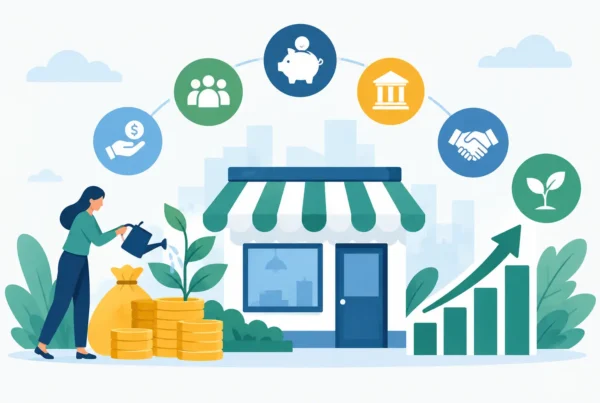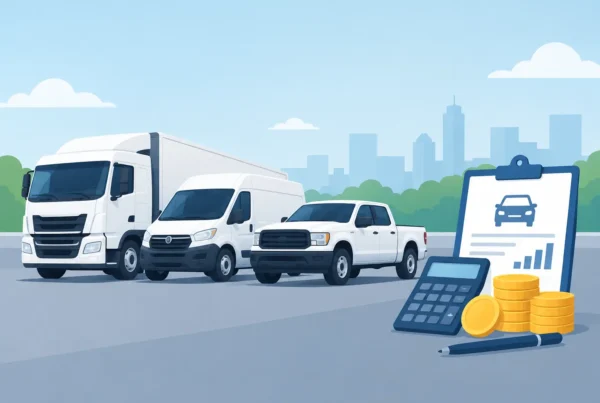
A broken delivery truck, an overdue equipment upgrade, or a large inventory order can put a growing business in a tough position. You need the asset to keep earning, but paying cash could drain the working capital you need for payroll, materials, and everyday expenses. Knowing when to use asset financing can help you make the purchase without putting unnecessary pressure on your cash flow.
Asset financing is not just for large corporations with perfect credit. For many small businesses, it is a practical way to acquire revenue-producing equipment, vehicles, technology, or inventory by using the asset itself as collateral. Good credit or bad credit, the right structure can keep your operation moving forward.
What Is Asset Financing?
Asset financing is a broad term for business funding secured by an asset. Depending on the lender and your business need, the asset may be equipment you are buying, a commercial vehicle, machinery, inventory, accounts receivable, or another item with measurable value.
With equipment financing, for example, the lender typically funds the purchase of a specific piece of equipment. The equipment serves as collateral until the balance is paid. With asset-based financing, a lender may advance capital against assets your business already owns, such as receivables, inventory, or equipment.
That difference matters. If you need a new excavator, oven, truck, or point-of-sale system, equipment financing may be the better fit. If you already have valuable business assets but need cash for a separate operating expense, asset-based financing may give you more flexibility.
When to Use Asset Financing Instead of Paying Cash
The best time to use asset financing is when an asset will help your business generate revenue, lower operating costs, or prevent a costly interruption. The goal is not to borrow simply because financing is available. The goal is to use capital where it has a clear business purpose and a realistic path to repayment.
The purchase will produce revenue
Consider asset financing when the item you are buying will directly help you serve more customers or complete more work. A contractor may finance a skid steer to take on larger jobs. A transportation company may finance another truck to add a route. A restaurant may replace a failing refrigerator to avoid lost inventory and service disruptions.
Ask a direct question: Will this asset create enough additional income or cost savings to support the payment? If the answer is yes, financing can turn a large upfront expense into manageable monthly payments while the asset begins working for the business.
You need to protect working capital
Cash on hand gives a small business room to operate. It covers payroll, rent, vendor bills, insurance, fuel, marketing, repairs, and unexpected slow periods. Using most of your available cash for one vehicle or machine can leave you exposed when another expense appears.
Asset financing can preserve that cash cushion. Rather than tying up $40,000 in a vehicle purchase, you may make a down payment and finance the remainder. That lets you keep more capital available for the expenses that cannot be financed as easily.
This is especially useful in seasonal industries. Landscapers, retailers, hospitality operators, and construction businesses often need to prepare for demand before revenue arrives. Keeping cash available during those cycles can be as valuable as acquiring the asset itself.
The asset has a useful life beyond the loan term
Financing generally makes more sense when the asset will provide value for years. Commercial kitchen equipment, medical devices, manufacturing machines, work vehicles, and durable technology are common examples.
Be careful with assets that lose value quickly or may become outdated before the financing is paid off. A three-year financing term on equipment you expect to replace within a year may not be the right move. Match the repayment period to the expected useful life of the asset whenever possible.
You need funding that may be easier to qualify for
Traditional bank loans often put heavy weight on strong credit, extensive documentation, and long approval timelines. Asset financing can be more accessible because the lender also considers the asset’s resale value, your time in business, revenue, and the purpose of the purchase.
That does not mean credit is irrelevant. Better credit, stronger revenue, and a larger down payment can improve your options. But business owners with fair or challenged credit may still have paths forward when they are financing equipment or another identifiable asset instead of seeking an unsecured loan.
For established businesses with at least one year in operation and a 550+ credit score, lender matching can help identify options that fit the full picture, not just a single credit score.
When Asset-Based Financing Can Make More Sense
Asset-based financing is worth considering when your business already owns assets but needs capital for a purpose that does not involve buying new equipment. You might use receivables financing to cover payroll while waiting for customers to pay invoices. You may use inventory as collateral to purchase additional stock ahead of a busy season. Existing machinery or vehicles may help support a working capital request.
This approach can fit businesses that have valuable assets but uneven cash flow. Wholesalers, manufacturers, distributors, staffing companies, and B2B service providers often have money tied up in invoices or inventory. Their business may be healthy, but cash may not arrive on the same day expenses are due.
The trade-off is that the lender may monitor the collateral more closely. If receivables support the financing, you may need to provide regular aging reports. If inventory is collateral, the lender may evaluate its quality and resale value. Make sure you understand how the collateral is valued and what reporting is required before you sign.
Situations Where Another Funding Option May Be Better
Asset financing is useful, but it is not the answer to every capital need. If you need a relatively small amount for short-term payroll, rent, advertising, or a repair that does not involve a financeable asset, a business line of credit or working capital product may offer more flexibility.
If the asset is inexpensive and you have ample reserves, paying cash may cost less than financing over time. If you need money immediately but the asset has limited collateral value, revenue-based financing may be a more realistic option. And if you are purchasing commercial real estate, a real estate loan is usually more appropriate than equipment or asset-based financing.
The right product depends on what you need, how quickly you need it, what your business can reasonably repay, and what collateral is available.
Questions to Ask Before You Apply
Before seeking asset financing, get clear on the purchase price, the expected life of the asset, and how it will affect monthly revenue or expenses. You should also know whether you are buying from a dealer, a private seller, or directly from a manufacturer, since documentation requirements can vary.
Review the total cost of financing, not just the monthly payment. Look at the rate or factor, term length, down payment, fees, prepayment terms, and whether a personal guarantee is required. A low payment stretched over too many months can cost more overall, while a short term can strain cash flow.
It also helps to gather basic business information in advance: recent bank statements, revenue details, identification, business formation documents, and a quote or invoice for the asset. Being prepared can speed up the review process and make it easier to compare offers.
Put the Asset to Work for Your Business
The strongest financing decision is one tied to a specific business result. If the asset helps you fulfill contracts, add capacity, reduce downtime, or protect the cash your business needs to operate, financing may be a smart move. If the numbers do not support the payment, waiting or choosing a different funding structure may protect you from taking on pressure you do not need.
Bad Credit Business Loans connects owners with a network of 75+ lending partners to help match funding to real business needs. Secure an Instant Pre-Approval, review your options carefully, and choose financing that gives your next purchase a clear job to do.