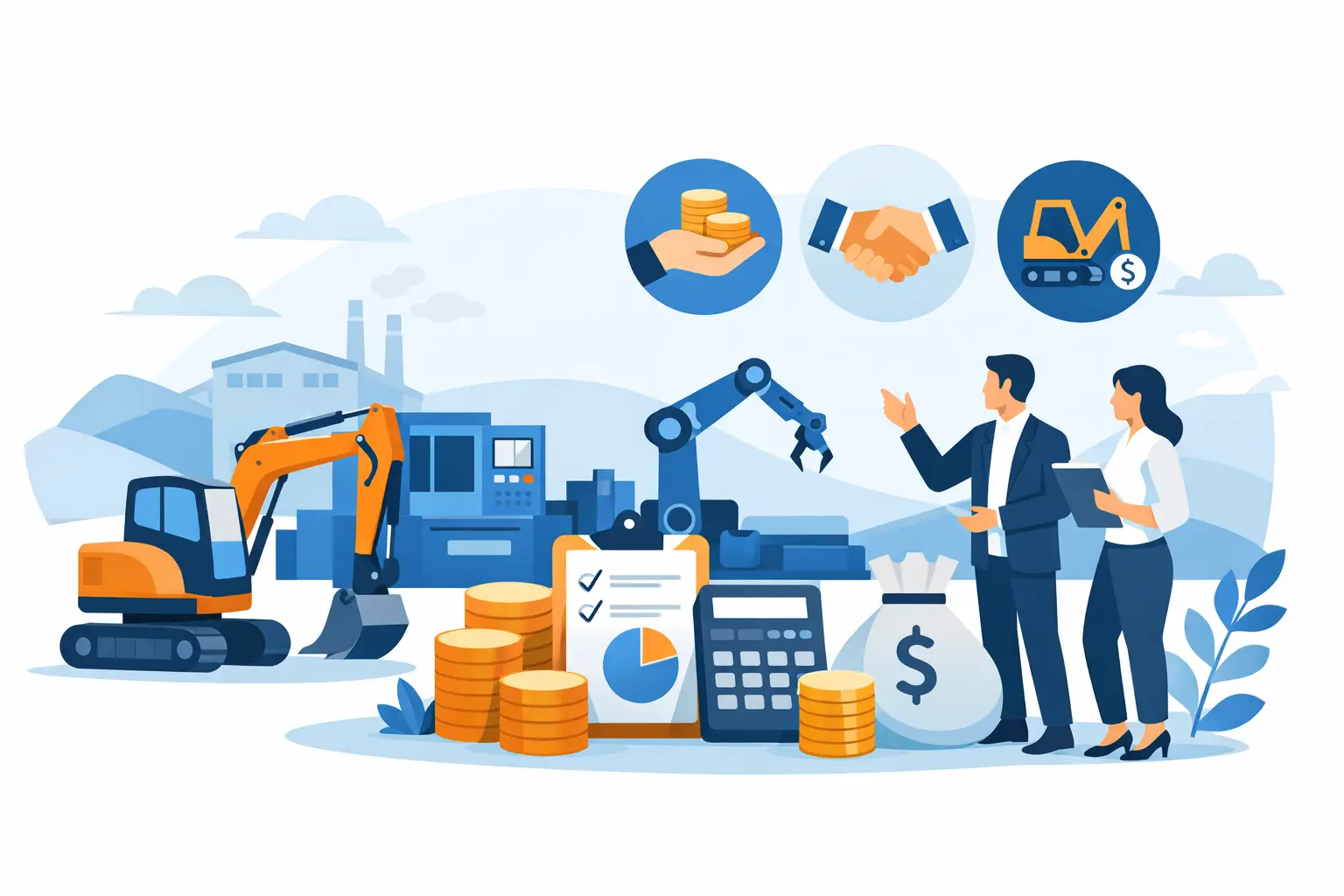
A broken excavator, an aging CNC machine, or a new production contract can put a small business owner in the same position: you need machinery now, but tying up all available cash could strain payroll, inventory, and daily operations. The right machinery financing options can help you acquire the assets that produce revenue while keeping working capital available for the rest of the business.
For many owners, the question is not whether the machine will pay for itself. It is whether the financing payment fits the business’s cash flow, credit profile, and timeline. Good credit or bad credit, there may be a funding structure that keeps your operation moving.
The Main Machinery Financing Options
Machinery financing is not a one-size-fits-all product. A manufacturer buying a six-figure press has different needs from a landscaping company replacing a skid steer or a restaurant adding commercial kitchen equipment. The best option depends on the equipment’s useful life, the down payment available, your revenue, and how quickly you need to close.
Equipment loans
An equipment loan is often the most direct way to purchase machinery. The lender provides funds for the purchase, and the machine usually serves as collateral. You make fixed payments over an agreed term. When the loan is paid off, you own the equipment free and clear.
This structure can make sense when you expect to use the machinery for years and want to build ownership in a valuable business asset. Terms may be aligned with the equipment’s expected useful life, helping keep the monthly payment manageable.
The trade-off is that equipment loans can involve a down payment, documentation, and a lender review of both the business and the machinery being purchased. New, durable, easy-to-value equipment is generally easier to finance than specialized, older, or highly customized machinery. If your credit is challenged, a traditional bank may not be the most practical first stop, but alternative lenders may evaluate your revenue, time in business, and equipment value alongside credit.
Equipment leases
A lease allows your business to use machinery in exchange for scheduled payments without necessarily owning it at the beginning of the agreement. At the end of the lease, you may have options to buy the equipment, renew the lease, return it, or upgrade, depending on the contract.
Leasing can be useful when technology changes quickly or when you do not want to commit a large upfront amount to an asset that may become outdated. It is common for technology, medical equipment, commercial printing systems, and some specialized production equipment.
Read the end-of-term terms carefully. A lower monthly payment does not automatically mean a lower total cost. A fair market value lease and a $1 buyout lease can lead to very different ownership outcomes. Ask whether there are maintenance requirements, early termination costs, insurance requirements, or fees due at the end of the agreement.
Business lines of credit
A business line of credit gives you access to a set amount of capital that you can draw as needed. Rather than financing only one identified machine, a line can help cover a deposit, installation, transportation, tooling, repairs, or the working-capital gap created while new machinery is being put into service.
This can be a strong fit when the equipment purchase is only part of a larger project. For example, a contractor may use equipment financing for a new loader and a line of credit for fuel, payroll, and materials while waiting for project invoices to be paid.
Lines of credit are flexible, but they are usually better for shorter-term needs than for financing a major asset over many years. Using a short-term credit line to buy an expensive machine can create pressure on cash flow if the repayment schedule is aggressive.
Revenue-based financing
Revenue-based financing provides capital that is repaid through a percentage of future sales or through scheduled payments tied to business performance. It can be an option for companies with consistent revenue that need to move quickly and may not qualify for conventional equipment financing.
This approach may help an established business secure machinery needed to fulfill a new order, expand capacity, or replace essential equipment without waiting through a lengthy bank underwriting process. Approval decisions often place significant weight on recent revenue and bank activity.
The key consideration is cost and payment frequency. Revenue-based financing can be more expensive than a traditional equipment loan, and frequent repayments can affect daily cash flow. It may be practical when speed and approval access matter most, but it is important to run the numbers against the additional profit the machine is expected to generate.
Asset-based financing
Asset-based financing uses business assets as collateral. Depending on the lender and structure, eligible assets may include machinery, vehicles, accounts receivable, inventory, or other equipment your company already owns.
For an owner with valuable business assets but imperfect credit, this can open a path that a credit-only lender may overlook. It can also work when you need capital for more than a single purchase, such as buying machinery while also funding inventory for expanded production.
Because collateral is central to the decision, lenders may inspect, appraise, or verify the condition and market value of the assets. Be clear about what is being pledged and what could happen if the business cannot meet its repayment obligations.
How to Choose Between Machinery Financing Options
Start with the purpose of the machine. If it will be a long-term, core part of your operation, an equipment loan or ownership-focused lease may be the better fit. If you expect to replace the machinery as technology changes, a lease may preserve more flexibility. If the purchase comes with operating expenses that need coverage too, combining equipment financing with a line of credit or asset-based solution may be more realistic.
Then look at payment timing. A machine that generates revenue steadily every month may support fixed monthly payments. A seasonal business, such as a landscaping, construction, or agricultural operation, may need a structure that better reflects uneven revenue. The lowest payment is not always the best deal if a long term, large final payment, or heavy fees increase your total cost.
Credit matters, but it is not the only factor. Lenders may consider your personal and business credit, annual revenue, time in business, bank statements, existing debt, and the machinery itself. Businesses with at least one year in operation and a 550+ credit score may have more options than they expect, especially when they can show stable revenue and a clear use for the funds.
Prepare Before You Apply
A stronger application begins with specific numbers. Know the purchase price, whether the equipment is new or used, the seller’s information, and any costs for delivery, installation, taxes, or warranties. If the machinery will replace an existing asset, explain how it will reduce downtime, labor costs, or repair expenses.
You should also be ready to share recent business bank statements, basic revenue information, identification, and details about current loans or leases. Some financing sources may request tax returns, a profit and loss statement, invoices, or an equipment quote. Having these items organized can reduce delays once you find a workable offer.
Before accepting financing, compare more than the monthly payment. Review the total repayment amount, repayment frequency, term length, down payment, collateral requirements, prepayment terms, and any origination or documentation fees. Ask directly what happens if the equipment is delivered late, breaks down, or is not accepted by your business.
Get Matched to Financing That Fits the Job
The best machinery financing decision protects two things at once: your ability to acquire the equipment and your ability to operate after it arrives. A machine can create capacity, but it should not leave the business short on the cash needed to staff jobs, buy materials, and cover everyday expenses.
Bad Credit Business Loans connects qualified owners with a network of 75+ lending partners, helping businesses compare funding routes based on their credit, revenue, operating history, and equipment needs. An instant pre-approval can give you a clearer view of available options before you commit to a purchase.
The machine you choose should earn its place in your operation. The financing behind it should give that investment room to work.