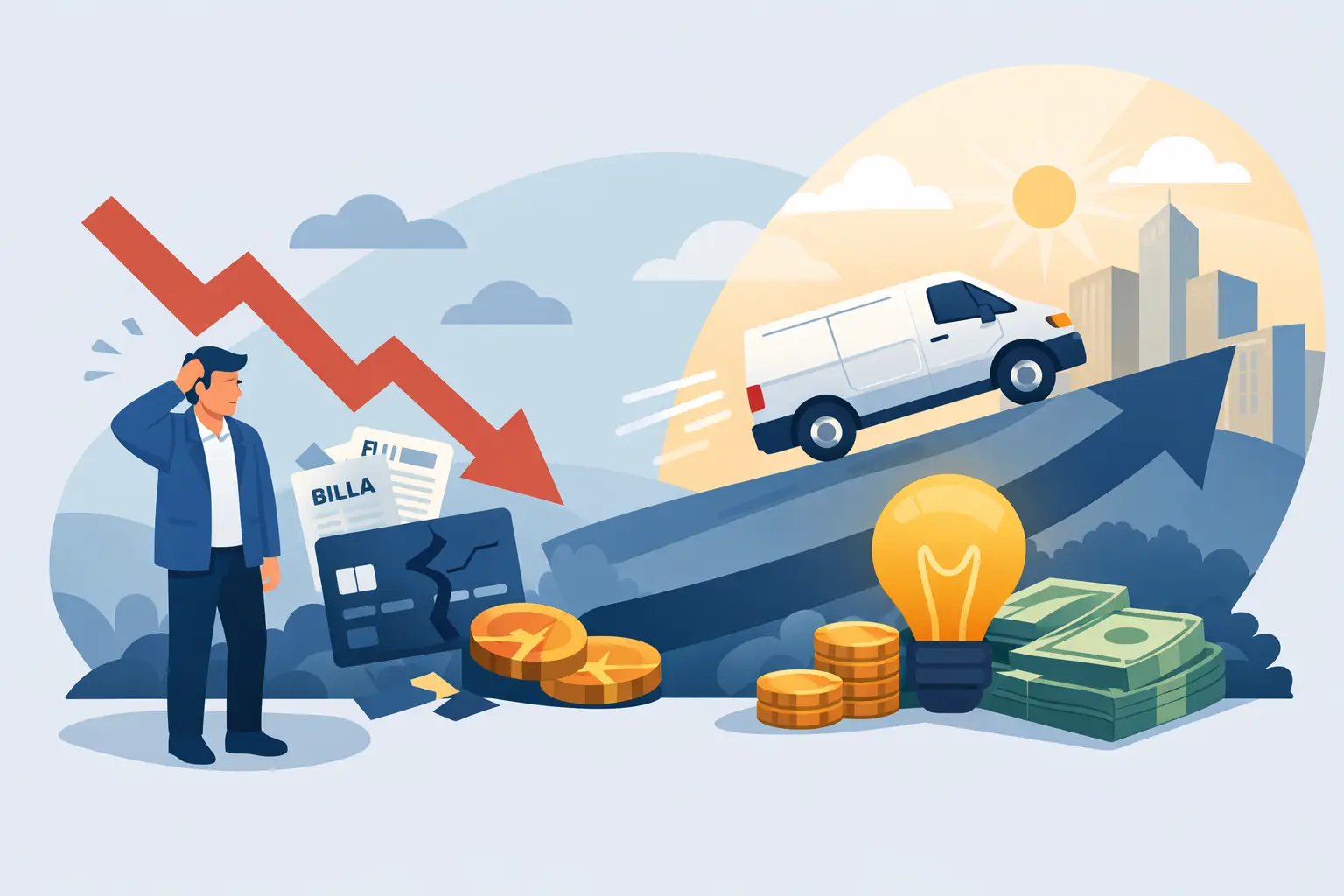
A slow-paying customer, a broken delivery vehicle, or a seasonal inventory opportunity can put pressure on a business fast. When your credit history is less than perfect, waiting on a traditional bank approval may not be realistic. Bad credit business loans can give established business owners a path to capital based on more than a credit score.
The right financing can help you cover a short-term cash gap, replace equipment, buy inventory, or act on a growth opportunity without putting operations on hold. The key is matching the funding structure to how your business earns revenue, what you need the money for, and how quickly you can repay it.
What Are Bad Credit Business Loans?
Bad credit business loans are commercial financing options designed for owners who may not meet conventional bank credit standards. They are not one single product. Depending on your business profile, the options may include term loans, revenue-based financing, lines of credit, equipment financing, or asset-based financing.
Traditional lenders often place heavy weight on personal credit, lengthy financial documentation, and strict debt requirements. Alternative and private lending partners may take a broader view. They can consider time in business, monthly or annual revenue, customer payment patterns, available assets, existing obligations, and the purpose of the funding.
That does not mean credit no longer matters. It usually affects the offers available, including rates, fees, repayment terms, and funding amount. But a past credit issue does not automatically mean your business has no financing options.
When Business Financing Makes Sense
Financing works best when it solves a specific operating need or supports a clear return. A contractor may need a vehicle to take on more jobs. A restaurant may need working capital before a busy season. A retailer may need inventory before demand peaks. A growing service company may need new software, staff, or a larger location.
Be careful about using financing to cover a problem with no path to repayment. For example, borrowing to fund losses month after month can increase pressure on the business. On the other hand, using capital to complete profitable jobs, capture a known sales opportunity, or replace a revenue-producing asset can be a practical business decision.
Before applying, know the amount you need, what it will be used for, and how the business will handle the payment. That preparation helps you compare offers based on real value instead of focusing only on the approval amount.
Bad Credit Business Loan Options to Consider
Term loans for planned expenses
A business term loan provides a lump sum that you repay over a set schedule. This can be a good fit for renovations, expansion, inventory purchases, debt consolidation in the right situation, or a defined working capital need.
Term loans generally make sense when you know the cost of the project and can estimate the return. A longer repayment period may reduce the payment amount, but it can also increase the total cost of financing. Review both the payment schedule and the total repayment before you commit.
Revenue-based financing for flexible cash flow
Revenue-based financing is often used by businesses with consistent sales but uneven cash flow. Repayment is typically connected to future revenue or processed sales, depending on the product and lender.
This structure can be useful for hospitality, retail, transportation, and other businesses where income moves up and down throughout the year. The trade-off is that frequent repayments can affect daily cash flow. Make sure you understand the collection method and whether your slower periods can support it.
Business lines of credit for ongoing needs
A business line of credit gives you access to a set amount of capital that you can draw from when needed. You generally pay only on the funds you use, making it a useful option for recurring expenses such as payroll timing, materials, repairs, or inventory replenishment.
A line of credit can provide flexibility, but it should not become a substitute for tracking cash flow. Use it with a repayment plan, especially if your business has seasonal swings or long customer payment cycles.
Equipment financing for revenue-producing assets
Equipment financing is designed for purchases such as trucks, machinery, medical devices, restaurant equipment, technology, and other business assets. The equipment itself may help support the financing, which can make this option more accessible than an unsecured loan for some borrowers.
This can be a strong choice when the asset will directly generate revenue or improve efficiency. Consider the useful life of the equipment before choosing a term. You do not want to be paying for a machine long after it has stopped serving the business.
Asset-based financing for businesses with collateral
If your company owns valuable assets, asset-based financing may be worth considering. Eligible collateral can include equipment, vehicles, accounts receivable, inventory, or other business assets, depending on the lender.
This option may help businesses that have a solid operating base but a challenged credit profile. The risk is straightforward: collateral can be at stake if you do not meet the terms. Read the agreement carefully and make sure you understand any lien requirements.
What Lenders May Review Besides Your Credit Score
A credit score is one part of the picture, not the whole picture. Lenders want to see whether the business has the ability to repay. Strong revenue, steady deposits, time in business, valuable equipment, and a clear capital purpose can all help build a stronger application.
Have recent business bank statements available, along with identification, basic business details, and information about the funding request. If you are purchasing equipment or inventory, invoices or quotes may also help explain the transaction. Clear records make it easier for a lender to assess your business quickly.
At Bad Credit Business Loans, stated eligibility begins at a 550+ credit score and one year in business. That is a starting point, not a guarantee of approval. Funding decisions, amounts, and terms depend on the full application and the lending partner that best fits your profile.
How to Compare Offers Without Missing the Details
An approval is only useful if the financing supports your business instead of creating a new cash flow problem. Compare the total repayment amount, payment frequency, term length, collateral requirements, and any fees. Ask how and when payments are collected, particularly if your revenue changes week to week.
It also helps to consider speed. Fast funding can be valuable when a truck is down, a supplier discount expires, or payroll is due. Still, speed should not stop you from reviewing the terms. A quick offer can be the right answer, but only when the repayment structure fits the business.
If an offer is unclear, ask direct questions. What is the total cost? Are there prepayment terms? Is there a personal guarantee? What happens if revenue drops? A financing partner should be able to explain the basics in plain language.
Steps That Can Strengthen Your Application
Start by separating business and personal finances if you have not already done so. Consistent business deposits and organized records help demonstrate how the company operates. Next, request only the amount your business can use productively. An oversized request can make repayment harder and may not improve your chances of approval.
You can also improve your position over time by paying current obligations on schedule, reducing unnecessary debt, and monitoring your credit reports for errors. Better credit can create more choices later, but you do not need to wait for perfect credit to explore funding options.
A marketplace with access to multiple lending partners can be useful because one lender’s criteria may not match another’s. Rather than trying to force every business into the same loan product, lender matching can help identify structures that better align with your revenue, assets, operating history, and capital need.
Your credit history is part of your business story, but it does not have to be the final chapter. If you have been operating for at least a year, can document how your business earns money, and have a clear need for capital, secure an instant pre-approval and review the options that can keep your business moving forward.