A late-paying customer, a seasonal inventory order, or an unexpected vehicle repair can put pressure on an otherwise healthy business. When the need is short-term and recurring, many owners use revolving credit instead of applying for a new loan every time an expense appears. It can give you access to capital when timing matters, while helping you avoid borrowing a large lump sum you may not need.
For businesses with fair or challenged credit, the key is understanding how this financing works, what it costs, and when it is the right tool for the job. A revolving business line of credit can support day-to-day operations, but it still requires a repayment plan.
What revolving credit means for your business
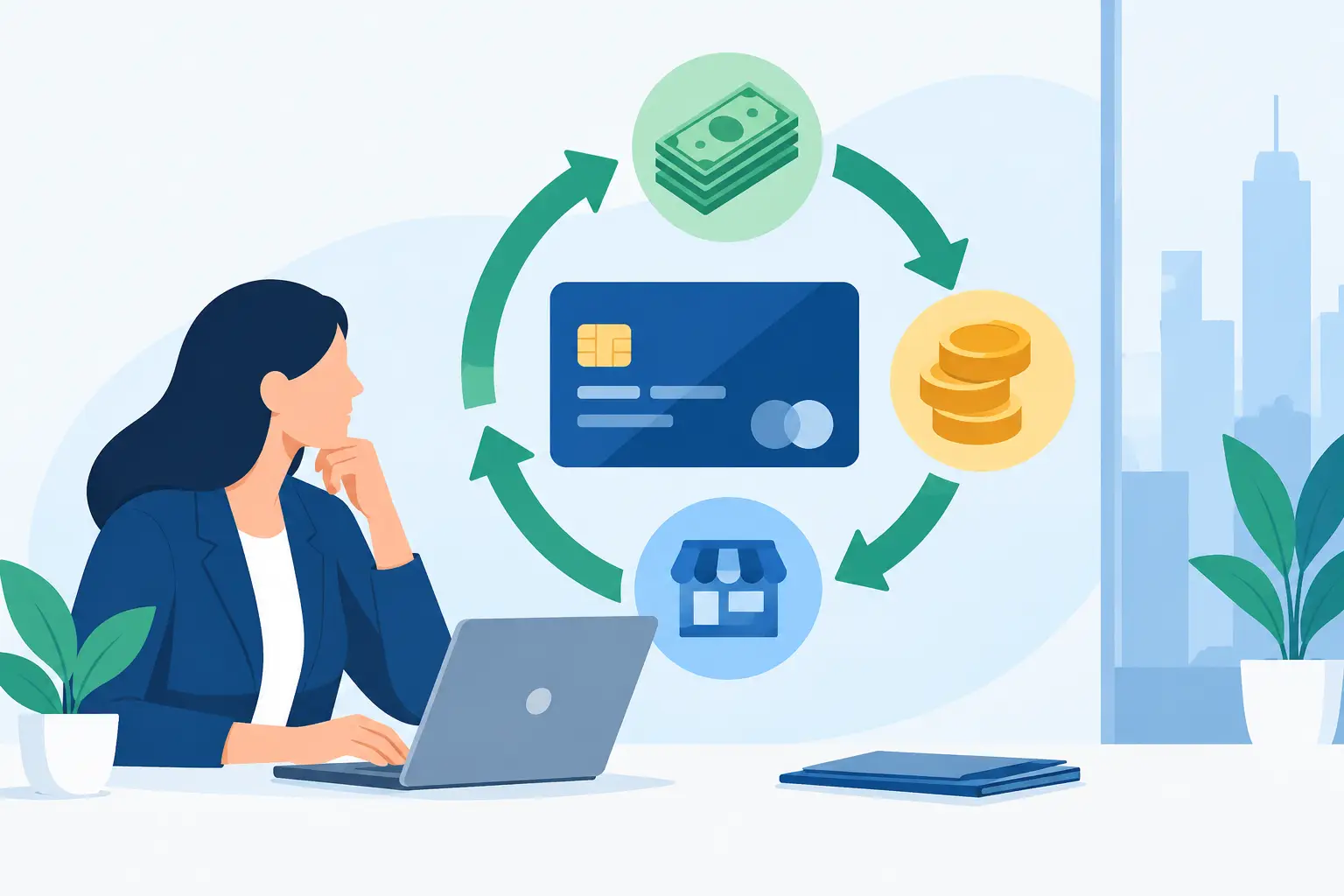
Revolving credit is a reusable credit limit. Once approved, you can draw funds up to your available limit, repay what you use, and access that credit again as it becomes available. A business line of credit is the most common example.
For example, suppose your business receives a $50,000 line of credit. You draw $12,000 to purchase materials for a signed job. Your available credit drops to $38,000. After the customer pays and you repay the $12,000, that amount generally becomes available to draw again, subject to the terms of your agreement.
That structure differs from a term loan. With a term loan, you receive one lump sum and repay it on a set schedule. With revolving credit, you decide when to draw and how much to use within the approved limit. Interest or fees generally apply only to the amount you have drawn, not necessarily the full line.
The flexibility is valuable, but it does not make the money free or risk-free. Rates, draw fees, maintenance fees, repayment frequency, and minimum payment rules vary widely by lender. Read the full agreement before accepting any offer.
When to use revolving credit instead of a term loan
Revolving credit works best for expenses that repeat, fluctuate, or are expected to turn into revenue relatively quickly. It is built for cash flow management, not for every business investment.
A contractor may use a line to buy supplies before a progress payment arrives. A retailer may draw funds to stock up before a busy season, then repay the balance from sales. A trucking company may use available credit for repairs that keep a revenue-producing vehicle on the road. A service business may use it to make payroll during a slow receivables cycle.
A term loan can be a better fit for a single major purchase with a long useful life, such as a renovation, a large equipment purchase, or a business acquisition. Matching the financing term to the life of the asset matters. Using a short-term revolving line to fund a multi-year project can create payment pressure before the project has produced enough cash.
Good uses of a business line of credit
Use revolving credit when you have a clear path to repayment. That may be incoming invoices, booked jobs, predictable sales, or a seasonal revenue cycle you have managed before. The strongest use case is usually a temporary gap between an expense and the revenue that will cover it.
It can also help you act quickly on opportunities. If a supplier offers a worthwhile discount for a larger order, a line of credit may give you the purchasing power to take advantage of it. Run the numbers first. The supplier savings should exceed the total cost of drawing and repaying the funds.
Uses that deserve more caution
Be careful about using a line of credit to cover ongoing losses, make payments on other debt, or fund payroll with no reliable revenue expected behind it. Revolving credit can buy time, but it cannot solve a business model problem.
Also avoid treating your full credit limit as cash you already have. A $50,000 limit does not mean you should carry a $50,000 balance. Draw only what the business can repay under a realistic, conservative cash flow forecast.
How to use revolving credit without hurting cash flow
The best line of credit is one you can use deliberately. Start by identifying the exact expense, how much you need, and the date you expect the money to return to the business. This turns a quick funding decision into a manageable operating decision.
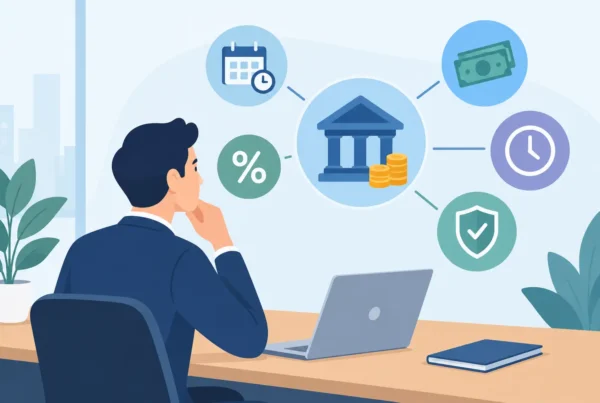
Before drawing, calculate the total cost. Ask whether the lender charges interest daily, weekly, or monthly, whether there are draw fees, and whether repayment is fixed or tied to your balance. A lower advertised rate does not always mean a lower overall cost if the structure includes additional fees or frequent required payments.
Next, borrow the smallest amount that solves the immediate need. If an inventory order costs $18,000, drawing the entire $40,000 available limit creates unnecessary expense and reduces your cushion for a real emergency. Keeping unused credit available can be just as valuable as using it.
Repay the balance as soon as the planned revenue comes in, rather than carrying it simply because you can. Fast repayment reduces financing costs and restores access to your available credit. It may also support a stronger relationship with the lender when you need additional capital later.
Finally, track the line separately in your cash flow plan. Review your current balance, available credit, upcoming payment dates, and the revenue assigned to repayment at least weekly. For businesses with thin margins, that visibility can prevent a short-term draw from becoming a long-term burden.
What lenders may consider
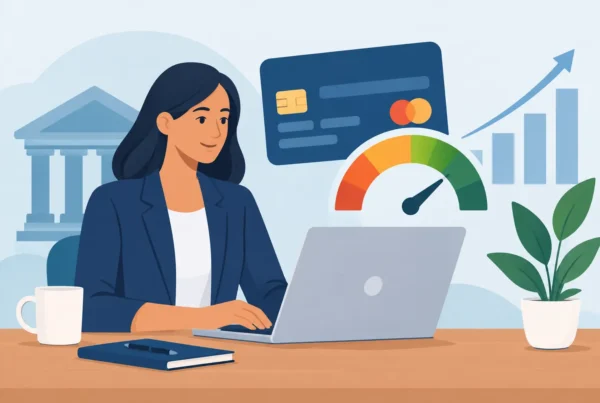
Lenders look at more than a credit score when reviewing business revolving credit. Revenue consistency, time in business, bank activity, existing debt, industry, collateral, and the purpose of the funds can all affect the offers you receive.
Strong personal and business credit may open more options and lower-cost terms, but less-than-perfect credit does not automatically end the conversation. Some lenders place more weight on business revenue, recent performance, or assets than conventional banks do. The trade-off may be a smaller credit limit, higher cost, a personal guarantee, or more frequent repayment requirements.
Have your recent business bank statements, basic revenue information, identification, and details about your business ready before applying. Clear documentation helps lenders evaluate your situation faster and can make it easier to compare offers based on more than the approved amount.
Compare the offer, not just the credit limit
A large credit limit can look attractive when cash is tight, but the limit is only one part of the decision. Compare the repayment schedule, total cost, draw rules, renewal terms, and whether the lender can reduce or cancel the line under certain conditions.
Ask practical questions before you accept: Is there a fee when you draw funds? Are payments daily, weekly, or monthly? Is there a prepayment penalty? Does unused credit have a maintenance fee? What happens if revenue drops for a month? The answers help you determine whether the product fits the way your business actually operates.
If your credit history has made bank financing difficult, working with a financing marketplace can help you see options from lenders with different underwriting approaches. Bad Credit Business Loans connects qualified business owners with a broad network of lending partners, helping match the funding structure to revenue, credit, operating history, and the purpose of the capital.
Build credit access before the emergency
The best time to seek a line of credit is often before you urgently need one. Applying while your bank activity is stable and your revenue is healthy gives you more time to review terms and make a measured decision. Once approved, use the line selectively so it remains available when an urgent repair, delayed payment, or inventory opportunity appears.
Revolving credit should keep your business moving, not keep it trapped in a payment cycle. Use it for short, revenue-connected needs, repay it with intention, and choose an offer that leaves room for your business to operate.