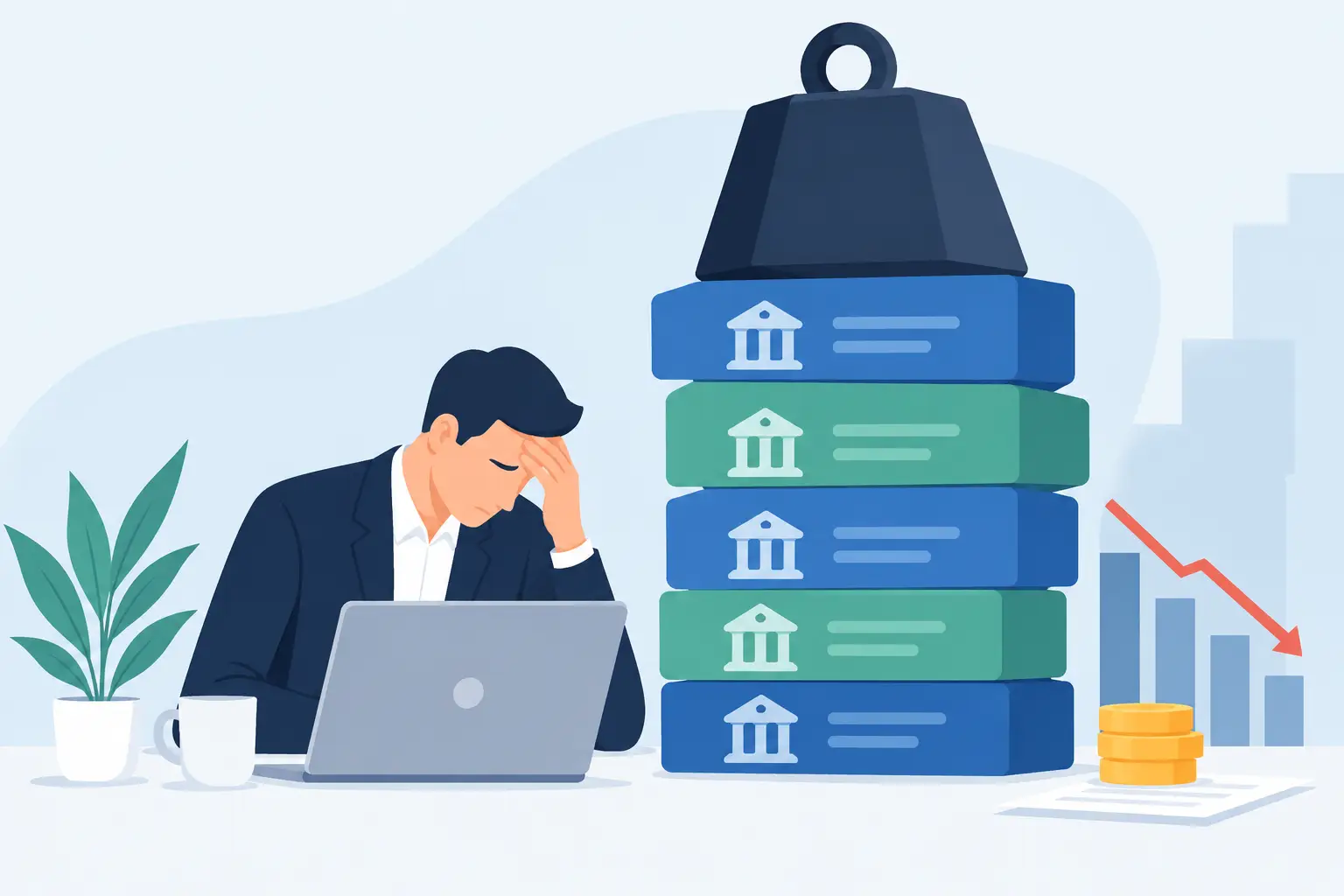
A second funding offer can look like relief when payroll is due, inventory is running low, or a truck needs an unexpected repair. But loan stacking risks can turn a short-term cash-flow fix into a daily payment problem. Before accepting another business loan or advance, understand how the new obligation changes your ability to operate, qualify for future funding, and keep control of your margins.
What loan stacking means for a small business
Loan stacking happens when a business takes on a new financing obligation while it still has one or more existing loans, lines of credit, or revenue-based advances to repay. It is not always irresponsible. A profitable company may use separate financing for equipment, inventory, and a seasonal working-capital need.
The concern is whether the combined payments match the business’s real cash flow. An equipment loan with a manageable monthly payment is very different from adding a second daily-payment advance on top of an existing daily withdrawal. The product type, payment frequency, cost, and purpose all matter.
Many owners stack financing because a funding gap feels urgent. A slow-paying customer, a tax bill, a broken piece of machinery, or a busy season can create immediate pressure. The problem begins when new capital is used mainly to cover payments from older capital, without a clear and realistic plan for the business to generate enough cash to handle both.
The biggest loan stacking risks
Daily payments can squeeze operating cash
Some business funding products are repaid through daily or weekly payments. One payment may fit the business budget. Two or three automatic withdrawals can take cash out of the account before you can pay employees, buy supplies, fuel vehicles, or cover rent.
This is especially challenging for businesses with uneven revenue. A contractor may have signed work but wait 30 to 60 days to get paid. A restaurant may have strong weekends and slower weekdays. A retailer may need to buy inventory well before holiday sales arrive. If payments leave the account every business day, timing matters as much as total revenue.
Calculate your payment obligations against conservative revenue, not your best month. If a slow month would force you to delay payroll, miss a vendor payment, or borrow again, the stack may be too aggressive.
Your total cost of capital can rise quickly
A new offer may advertise a fast approval or a larger funding amount, but the key question is what you will repay and how quickly. Multiple short-term obligations can carry a much higher total repayment than one properly structured business loan.
Fast capital can make sense when it supports a time-sensitive, profitable opportunity. For example, buying discounted inventory with dependable turnover may justify a short repayment period. Using expensive funding to cover recurring losses usually does not. If the capital does not create revenue, reduce costs, or protect a valuable business asset, it deserves extra scrutiny.
Ask for the full repayment amount, payment schedule, and any fees before accepting an offer. Then compare that payment to the profit the financed project is expected to produce, not just to the amount deposited in your account.
Stacking can limit future financing options
Lenders review existing obligations when they assess an application. Recent deposits, daily withdrawals, outstanding balances, and payment performance can all affect how a lender views the business’s repayment capacity.
A business with several active advances may have fewer options, lower approval amounts, or higher-priced offers than it would with one manageable obligation. Some funding agreements also restrict additional financing or require notice before you take on new debt. Ignoring those terms can create a default risk, even if you are making payments on time.
This does not mean you should avoid all additional capital. It means the next financing decision should be coordinated with the obligations already on your books. A lender match based on the full picture is usually more useful than accepting the first offer that arrives.
Revenue pressure can lead to bad operating decisions
When payments become too large, owners may feel forced to discount work, accept low-margin jobs, delay maintenance, or cut staff at the wrong time. Those decisions can weaken the business that the funding was meant to support.
The danger is not just a missed payment. It is losing the ability to make smart operational choices. Financing should give your business room to move forward, not force it to chase cash every day.
When multiple loans may be reasonable
Multiple financing products are not automatically a red flag. It depends on the purpose and structure of each obligation.
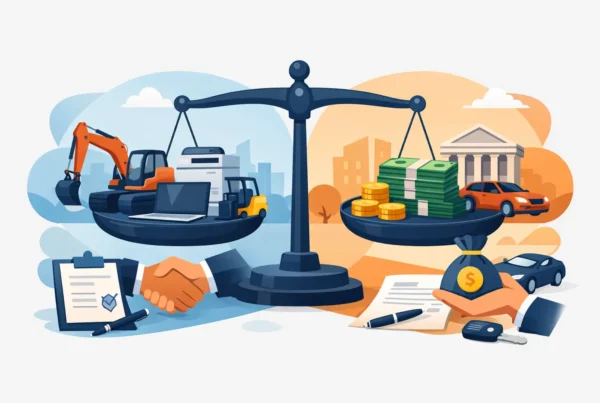
A transportation company, for example, might use equipment financing for a vehicle, a line of credit for routine working-capital swings, and invoice-based financing for a large customer that pays slowly. Those products serve different purposes and may be supported by different assets or revenue sources. The payment plan still has to fit the company’s cash flow, but this is not the same as repeatedly taking new advances to make existing payments.
Before adding financing, ask three practical questions: Is this capital tied to a specific business need? Will that need produce or preserve enough cash to cover the payment? Can the business still operate if revenue comes in below forecast? Clear answers can help separate strategic borrowing from a stack that creates more pressure than progress.
Warning signs your current debt load needs attention
Pay close attention if loan payments are regularly funded by new borrowing, your business account is nearing a negative balance before deposits arrive, or you are unsure of the total amount withdrawn each week. Another warning sign is receiving frequent unsolicited offers that focus only on how quickly money can be deposited, without reviewing your current obligations.
You should also pause if you have not read the prepayment terms, default provisions, or restrictions on new financing in an existing agreement. Some owners discover too late that an additional advance changed their position with an earlier funder.
These signs do not mean your business has failed. They mean it is time to slow down, organize the numbers, and choose the next step based on facts rather than urgency.
How to reduce loan stacking risks before you apply
Start with a simple cash-flow view for the next 8 to 12 weeks. List expected deposits by week, then subtract payroll, rent, inventory, taxes, insurance, vendor payments, and every existing financing payment. Include daily and weekly withdrawals at their actual frequency. A monthly payment total can hide a serious midweek cash shortage.
Next, identify what the new funds will accomplish. Be specific. “Working capital” is a valid need, but define whether it means covering a short receivables gap, purchasing inventory with a known sales cycle, completing a signed project, or repairing equipment that produces revenue. If the answer is simply “to get through this week,” look for the underlying cash-flow issue before adding a new obligation.
If you already have costly short-term financing, ask whether a refinance, consolidation, longer-term loan, line of credit, equipment financing, or asset-based option could create a more workable payment structure. Approval is never guaranteed, and the right choice depends on your revenue, credit, time in business, assets, and current balances. Still, replacing several hard-to-manage payments with a structure that better fits the business can be worth evaluating.
Be fully transparent with any financing provider. Share current balances and payment schedules. Holding back existing debt may produce an offer that looks good initially but cannot be supported once the complete picture is reviewed.
Choose funding that supports the next business move
Business owners with fair or challenged credit should not assume their only option is to stack expensive offers. Credit matters, but lenders may also consider revenue, operating history, collateral, customer invoices, equipment, and the purpose of the capital.
A broad lender network can help compare financing structures instead of treating every need like a short-term advance. Bad Credit Business Loans connects qualified owners with lending partners that evaluate different business profiles, including applicants with 550+ credit scores and at least one year in business. The goal is not to add debt for its own sake. It is to seek capital with a payment structure your business can carry.
Before you accept the next offer, put the payment schedule next to your real operating cash flow. The right funding should help you fulfill orders, protect payroll, acquire an asset, or build capacity – while leaving your business enough room to do what it does best: earn.