A truck that cannot run, empty shelves before a busy season, or a piece of equipment holding back production can cost more than the financing used to fix the problem. This guide to secured business financing explains how to use business assets to support a funding request, what lenders may review, and how to decide whether putting up collateral makes sense for your operation.
Secured financing can give established businesses another path to capital when a traditional bank loan is out of reach or moving too slowly. Good credit or bad credit, collateral may help show a lender there is a clear source of repayment if the loan is not paid as agreed. That can expand your options, but it also creates real risk. The asset you pledge matters.
What Is Secured Business Financing?
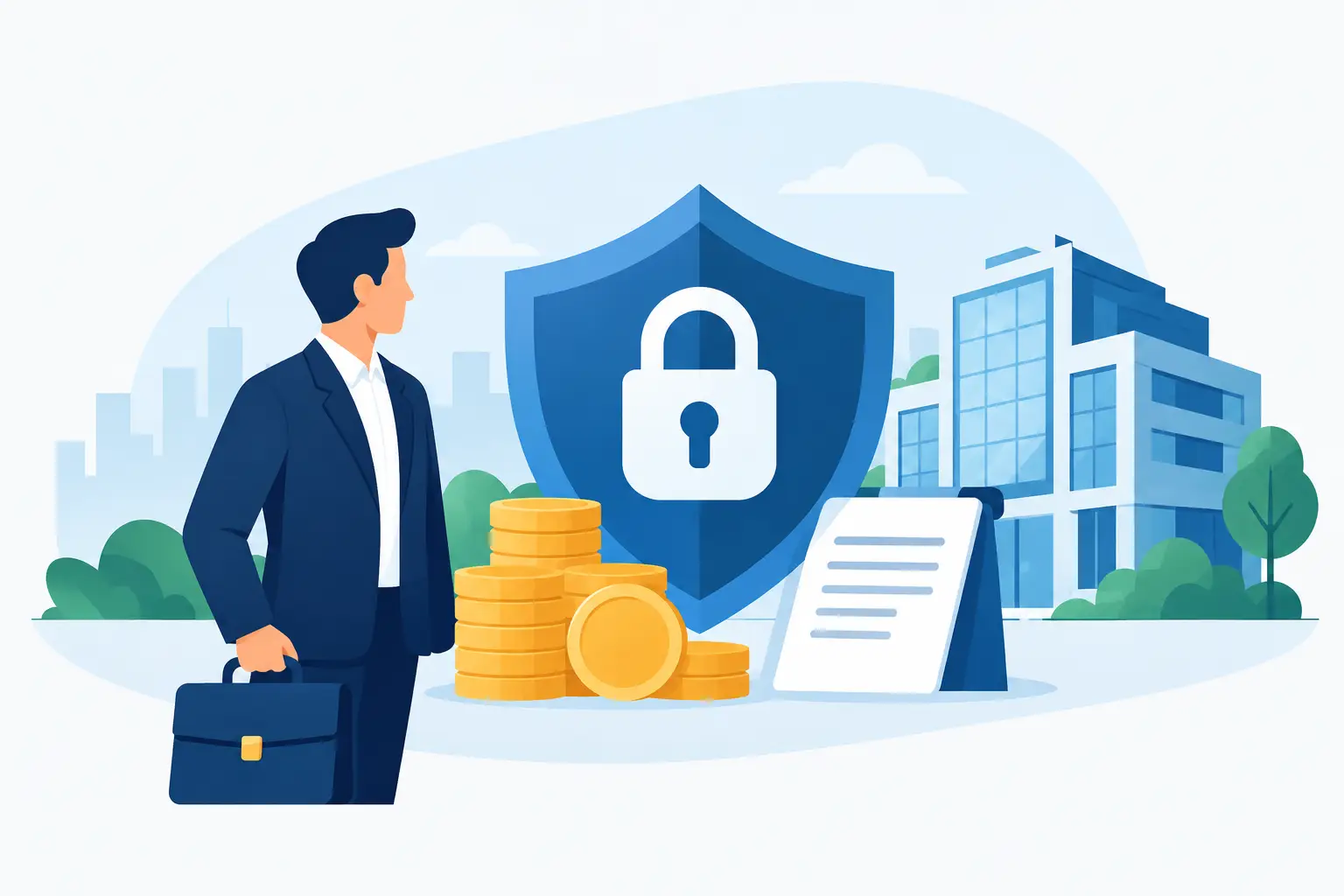
Secured business financing is funding backed by collateral. Collateral is an asset a lender can claim or sell if the borrower defaults under the financing agreement. Depending on the product, that may be a vehicle, machinery, equipment, inventory, accounts receivable, real estate, or a cash deposit.
The lender records its interest in the collateral, often through a lien. You can generally keep using the asset while making payments, but you do not have the same freedom to sell or refinance it without addressing the lender’s lien first.
For a small business owner, the practical benefit is straightforward: valuable business assets can strengthen an application beyond the credit score alone. A contractor with a work truck, a transportation company with titled vehicles, or a manufacturer with productive machinery may have financing options that do not depend entirely on pristine credit.
That does not mean collateral guarantees approval or low pricing. Lenders still review your revenue, time in business, existing debt, payment history, and the purpose of the funding. They also want to know whether the pledged asset has enough value and can be sold if necessary.
When Secured Financing May Fit Your Business
This type of funding works best when the capital request has a clear business purpose and the collateral supports that purpose. If you are purchasing a revenue-producing asset, equipment financing may be a natural fit because the equipment itself can secure the transaction. If your customers pay invoices over 30, 60, or 90 days, accounts receivable financing or an asset-based line may turn those unpaid invoices into working capital sooner.
Secured financing can be worth considering when you need to purchase inventory ahead of a seasonal rush, replace a failed vehicle, add machinery, fund a renovation, or stabilize cash flow while waiting on receivables. It may also help businesses that have built assets but have been turned down by credit-focused lenders.
Still, it is not automatically the right move. Do not pledge a critical vehicle, piece of equipment, or property simply because capital is available. Ask what happens if sales fall for two months, a major customer pays late, or the asset needs an unexpected repair. A financing payment should fit a conservative cash-flow forecast, not just a best-case month.
Common Types of Collateral-Backed Funding
Equipment Financing
Equipment financing is designed for purchases such as commercial kitchen equipment, construction machinery, manufacturing tools, medical devices, computers, or specialized technology. The financed equipment typically serves as collateral. Because the lender can identify and value the asset, this structure may be easier to support than an unsecured request of the same size.
Match the payment term to the useful life of the equipment. Financing a machine that will produce value for years may make sense. Stretching payments on technology that becomes outdated quickly may not.
Vehicle and Fleet Financing
Businesses that rely on trucks, vans, trailers, or specialty vehicles may use vehicle financing to acquire or refinance assets. The vehicle title commonly secures the loan. Transportation, delivery, construction, and field-service companies often need this structure because a working vehicle directly supports revenue.
Look beyond the monthly payment. Consider insurance, maintenance, fuel, registration, and downtime. A financed vehicle should improve capacity or reliability enough to justify its total operating cost.
Asset-Based Financing
Asset-based financing uses eligible business assets as the foundation for borrowing. Accounts receivable, inventory, equipment, and sometimes real estate may support a revolving line of credit or another financing arrangement. The amount available can be tied to a percentage of the value of those assets.
This can suit companies with solid sales and valuable assets but uneven cash flow. A wholesaler that must buy inventory before collecting from customers, for example, may need access to capital that rises and falls with its working-capital cycle.
Secured Term Loans and Lines of Credit
A secured term loan provides a lump sum repaid over a defined schedule. It can fit a one-time expense with a known cost, such as a renovation, expansion, or large inventory purchase. A secured business line of credit offers access to funds up to an approved limit, allowing you to draw only what you need for recurring short-term expenses.
The better option depends on how you use capital. A term loan is often easier to budget for a defined project. A line may be more practical for payroll timing, supplier purchases, or recurring working-capital gaps. Review whether a line has draw fees, annual fees, minimum payments, or requirements to periodically reduce the balance.
What Lenders Review Before Making an Offer
Collateral is only one part of the application. Lenders typically evaluate the condition, age, ownership status, and resale value of the asset. An older machine may still be useful to your business but have limited liquidation value. Inventory can be harder to finance if it is highly seasonal, perishable, customized, or slow-moving.
They also look at the business behind the asset. Be prepared to explain your monthly revenue, recent bank activity, existing financing obligations, and the exact use of proceeds. Strong documentation can make a major difference, especially if your credit profile has challenges.
Have these items ready before you apply:
- Recent business bank statements that show revenue and cash-flow patterns
- Basic business details, including time in business, ownership, and tax identification information
- Information on current debts, liens, leases, and payment obligations
- Asset documents such as titles, invoices, serial numbers, appraisals, or equipment specifications
A lender may request more depending on the product and loan size. Providing accurate information early helps prevent a pre-approval from changing later because of missing details or undisclosed obligations.
Understand the Trade-Off Before You Pledge an Asset
Secured financing may offer a larger approval amount, longer repayment terms, or more flexibility than an unsecured option. But the collateral is at stake if the business cannot meet its obligations. Read the financing agreement closely for default terms, late fees, prepayment rules, lien releases, personal guarantee requirements, and insurance requirements.
A personal guarantee deserves particular attention. Even if the financing is secured by a business asset, some lenders may require an owner to personally guarantee repayment. That means the owner’s personal assets could be exposed in certain default situations. Ask directly whether a personal guarantee is required and what it covers.
Also compare the total cost, not just the rate or payment. A lower payment can come from a longer term, which may increase the total amount repaid. On the other hand, the cheapest option is not always the best fit if its reporting requirements, collateral restrictions, or funding timeline interfere with the way you run your business.
How to Make a Stronger Secured Financing Request
Start with the amount you truly need and the result it should produce. “Working capital” is a valid purpose, but a lender can better assess the request when you explain that the funds will cover a $40,000 inventory order, repair three revenue-generating trucks, or bridge invoices from established commercial customers.
Next, identify the asset you can pledge and verify that your business owns it free and clear, or determine whether another lender already has a lien. Do not overstate an asset’s value. Realistic values build credibility and help avoid delays after the initial review.
Finally, apply with lenders that evaluate more than a credit score. Bad Credit Business Loans connects established business owners with a network of 75+ lending partners, helping match funding requests to the business’s revenue, operating history, collateral, and capital need. Eligibility may begin with a 550+ credit score and one year in business, though final offers depend on the full application.
If an asset is essential to keeping your doors open, protect it by borrowing with a repayment plan you can support in a slower month. The right secured financing should help the business keep moving forward, not place its core operations at unnecessary risk.