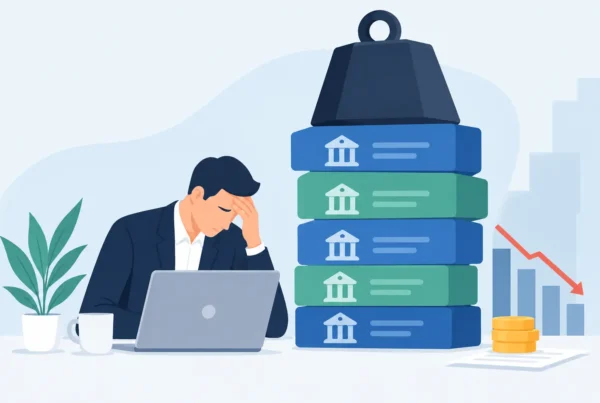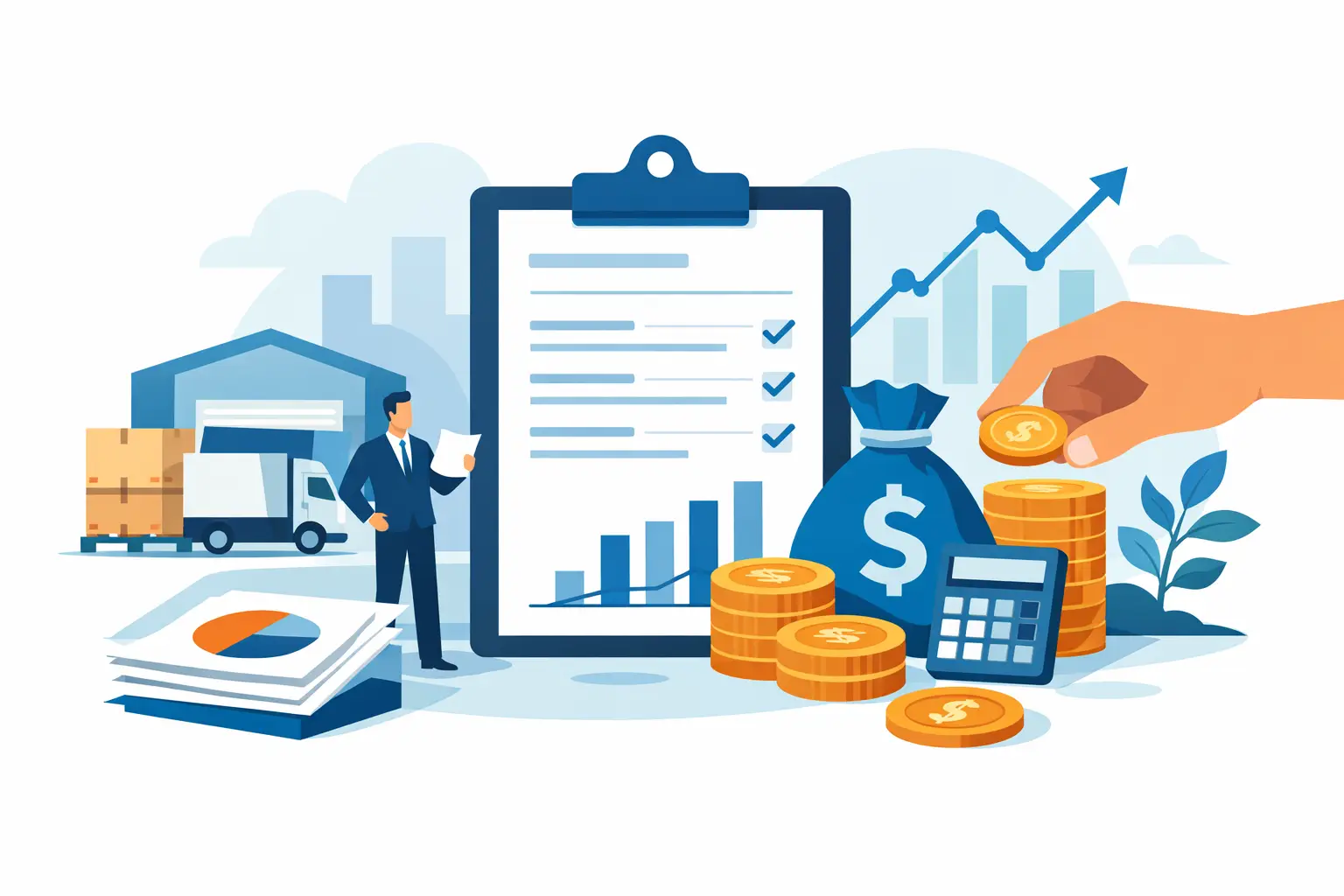
A profitable month can still create a cash problem when customers take 30, 60, or 90 days to pay. Asset based financing for invoices gives eligible businesses a way to access capital tied to those unpaid invoices instead of waiting for every customer payment to arrive. For owners managing payroll, fuel, materials, inventory, or a new job, that timing can make a real difference.
This option is built around the value of your accounts receivable. That means your customer relationships, invoice quality, and payment history may matter as much as – or more than – a perfect personal credit profile. If traditional bank financing has been out of reach, invoice-backed funding may provide a practical path to keep operations moving.
How asset based financing for invoices works
Invoices are an asset on your balance sheet. If you have completed work, delivered products, and issued a valid invoice to a creditworthy business or government customer, that invoice represents money your company is expected to receive.
With invoice-based asset financing, a lender or financing company evaluates the eligible receivables and advances a percentage of their value. Advance rates vary, but many arrangements provide a large portion of the invoice amount upfront. When your customer pays, the financing provider receives repayment, deducts its fees, and sends any remaining balance to your business if the structure includes a reserve.
The exact process depends on the product. Some businesses use invoice factoring, where the provider purchases invoices and typically handles collections. Others use an accounts receivable line of credit, where receivables support a revolving borrowing facility and the business may continue managing customer payments. Both can turn outstanding invoices into near-term cash, but the responsibilities, costs, and customer communication can differ.
For example, a commercial cleaning company may invoice a property management firm $40,000 for completed work with net-60 terms. Rather than waiting two months while covering payroll and supplies, the company could finance the invoice and access a portion of the funds now. It can take on the next contract without putting daily operations on hold.
When invoice financing can make sense
This type of financing is often a strong fit for B2B companies with reliable customers that pay on terms. Transportation carriers, staffing firms, construction subcontractors, wholesalers, manufacturers, professional service providers, and distributors commonly face cash flow gaps created by delayed receivables.
It can be especially useful when growth creates pressure. Winning a larger contract is good news, but it can require more labor, materials, vehicles, or inventory before the customer pays. Invoice financing can help bridge that gap without forcing you to turn down work you are capable of completing.
It may also help when a temporary disruption affects cash flow. A slow-paying customer, seasonal demand, or a large upfront expense can strain an otherwise healthy business. Financing invoices can provide working capital based on work already completed rather than relying only on future projections.
That said, it is not a universal solution. Businesses that primarily sell directly to consumers usually do not have qualifying invoices. It can also be a poor fit if customers dispute bills frequently, routinely pay late, or have weak commercial credit. The strength of the account debtor – the customer who owes the invoice – is central to approval.
What lenders review besides your credit score
Credit can still be part of the review, but invoice-backed financing is not evaluated the same way as an unsecured bank loan. Providers typically focus on whether the receivable is valid, collectible, and free of liens or disputes.
Expect a lender to look at your aging report, copies of invoices, customer payment history, and the terms of the sale or service agreement. They may also review your time in business, bank activity, revenue, outstanding debt, and whether another lender already has a claim on your receivables.
A business owner with challenged credit may still have financing options when the company has established operations and invoices from dependable commercial customers. Good credit or bad credit, the goal is to match the funding structure to the assets and cash flow your business actually has.
Be prepared to explain any unusual items before applying. An invoice that is more than 90 days old, tied to incomplete work, or subject to a customer dispute may not qualify. Clear documentation and accurate bookkeeping can improve your position and speed up underwriting.
Understand the cost and the trade-offs
Fast access to capital has a cost. Fees can be charged weekly, monthly, or as a percentage of the invoice value, depending on the financing arrangement. The longer a customer takes to pay, the more the total cost may rise in certain structures.
Ask for the full fee schedule, not just the advance rate. You should understand the initial fee, any additional time-based charges, wire or processing fees, minimum volume requirements, and termination provisions. Also ask whether the arrangement is recourse or non-recourse.
With recourse financing, your business may be responsible for repaying the advance if the customer does not pay within the required timeframe. Non-recourse arrangements can shift some credit risk to the provider, but they may cost more and often include exclusions. A customer refusing to pay because your work was disputed is not always treated the same as a customer becoming insolvent.
Customer notification is another consideration. In traditional factoring, customers may be told to send payment directly to the factor. Some owners welcome professional collections support; others prefer to retain direct control over their accounts receivable process. Discuss how payments will be handled before you sign.
The right question is not simply whether the financing is cheap. It is whether the cost is reasonable compared with the profit and opportunity it supports. If accessing cash now lets you fulfill a profitable order, avoid payroll delays, or take on a contract that produces meaningful margin, the financing may be worthwhile. If it only covers a continuing operating loss, it may postpone a larger problem.
How to prepare for an application
A clean application can reduce back-and-forth and help a financing provider evaluate your receivables quickly. Gather your most recent accounts receivable aging report, sample invoices, customer contracts or purchase orders, and recent business bank statements. Be ready to identify which invoices you want financed and whether any have disputes, credits, or payment issues.
It also helps to separate eligible invoices from invoices that are not likely to qualify. Completed work billed to an established business customer is generally easier to finance than a deposit request, a consumer invoice, or a bill for work still in progress.
Do not finance more than you need just because the receivables are available. Start with the amount required for a defined purpose, such as covering payroll for a new contract or purchasing materials for a confirmed order. That keeps financing tied to a measurable business need.
Get matched to a financing structure that fits
Asset based financing for invoices can turn unpaid bills into usable capital, but terms vary widely by lender, industry, customer quality, and the age of your receivables. A structure that works for a staffing agency may not work for a trucking company or a contractor with milestone-based billing.
Bad Credit Business Loans connects business owners with a network of 75+ lending partners and offers access to financing options for businesses with a 550+ credit score and at least one year in business. Secure an instant pre-approval to see whether invoice-backed financing or another working capital option fits your next move.
The best time to explore your options is before a slow-paying invoice puts payroll, inventory, or a valuable new opportunity at risk.